
Loose Diamond Appraisals in Los Angeles: Which Service Do You Need?
First identify the purpose. A grading report describes diamond quality, an appraisal addresses value for a stated use, and a purchase offer states what a buyer will pay. Ask for the service that answers your actual question.
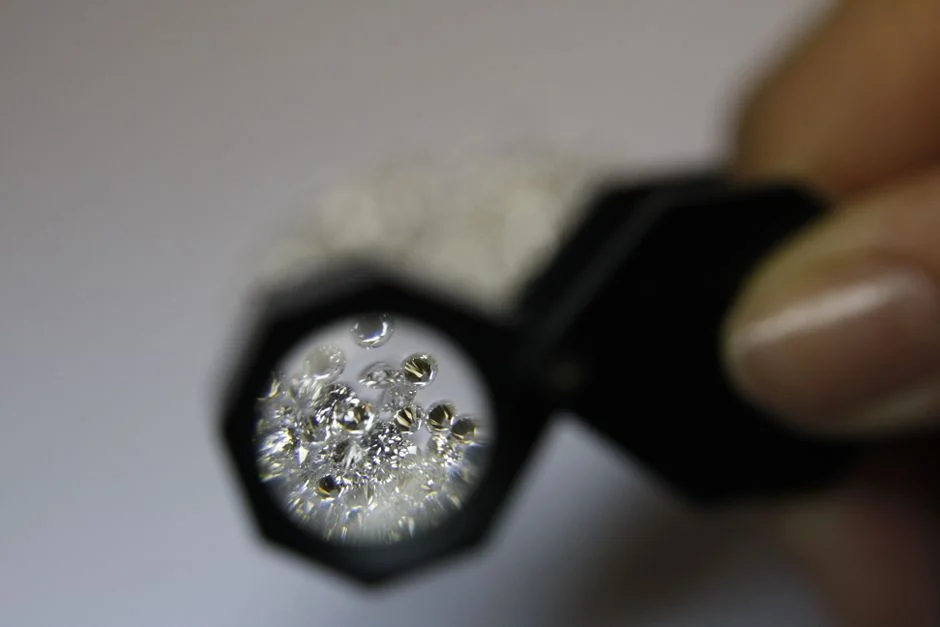
Define what you need the document to do
“Appraise my diamond” can mean several different requests. You might need documentation for insurance, information about an inherited stone or a price for selling it. Explain that purpose before booking an appointment so you do not pay for a document that fails to answer your question.
If an insurer, estate representative or another recipient has requested an appraisal, obtain their requirements first. Ask the prospective appraiser whether the assignment is within their experience and whether the proposed report meets those requirements. Do not assume that a buyer’s offer can stand in for a formal appraisal.
| Service | Main question it answers | Ask for |
|---|---|---|
| Identification or grading | What is the stone, and how is its quality described? | The examination scope and resulting report |
| Purpose-specific appraisal | What value applies to the stated assignment? | The intended use, value basis and report requirements |
| Purchase evaluation | What would this buyer pay for this item? | A purchase amount and its terms |
Understand what a laboratory report contains
GIA’s sample diamond reports illustrate the quality information available for different report services. Read the report type and comments as well as the main grades. For help with the abbreviations, use our diamond grading chart guide.
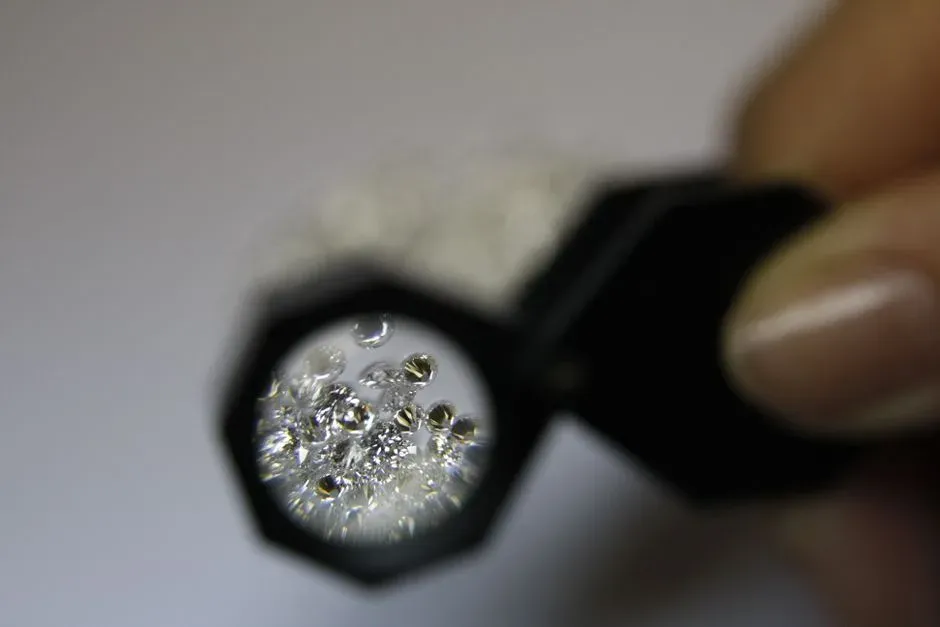
A report is not a cash offer or an insurance replacement amount. GIA’s appraisal guidance explains that GIA does not assign monetary value and that an appraisal must be understood in the context of its purpose. This distinction matters when someone compares an old insurance figure with a current offer to buy.
Ask practical questions before an appraisal appointment
Request the fee basis, expected schedule and a description of the finished document. Ask about relevant qualifications, how they can be verified and whether any additional laboratory work may be recommended. Agree on any extra work and charges before it begins.
Explain whether the diamond is loose or mounted. Ask how the appraiser will identify the item, record its condition and describe any limits on examination. If you are considering both appraisal and sale, ask about any buying interest or other conflict so the roles are clear.
Prepare the stone and the records safely
Keep loose stones separated in suitable individual containers; do not carry several together loose in a pocket or bag. Bring existing grading reports, receipts, previous appraisals and any documentation of repairs, treatment or recutting. Keep the paperwork associated with the correct stone.
If you have a GIA report number, look up the report record before the appointment. Note any discrepancy for the examiner. A matching database record does not by itself identify the physical stone you are holding. Ask how to prepare a fragile or damaged item before attempting cleaning or removing it from jewelry.
Request a purchase evaluation if your purpose is selling
Cash 4 Gold & Diamonds buys natural cut and polished diamonds in any size or shape. We do not buy laboratory-grown, uncut or rough diamonds. Our diamond-buying service concerns an offer to purchase; ask separately about any formal appraisal document you require.
Visit us at 617 S. Hill Street, Los Angeles, CA 90014, or contact us at 310-663-1340 to describe what you have. Bring existing records and ask what else is needed before purchasing a new report.
Does a loose diamond need a new appraisal every time it is sold?
Establish what the buyer needs to examine and document first. A newly commissioned appraisal is not automatically the right first step for every sale.
Why can an appraisal and a purchase offer differ?
They can answer different questions and use different assumptions. Ask what each amount represents, when it was determined and exactly which item or components it covers.