
14K Gold Rings: Compare Design, Materials & Resale
When comparing 14K gold rings, look beyond the karat label. Compare construction, band thickness, stone descriptions, fit and written seller terms. For a future sale, keep the receipt and reports, but do not assume the retail price will be recovered.
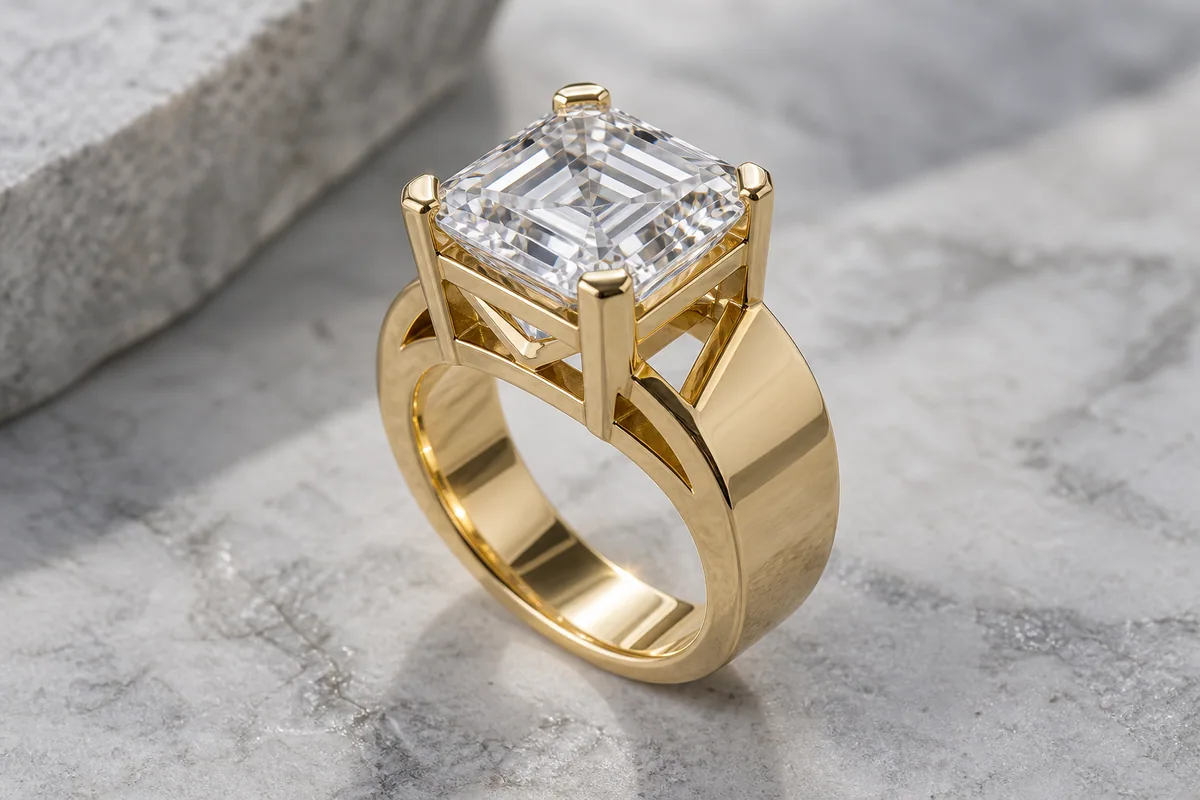
Compare the same kind of ring
A plain band, a hollow fashion ring and a diamond-set ring can all be described as 14K. Their weights, construction and price components differ. Ask for a written material description and compare rings with similar size, width and stone specifications before drawing conclusions from price.
For the distinction between karat and construction, see our 14K solid-gold ring guide. The FTC's jewelry guidance explains material descriptions and recommends reviewing written seller policies.
Choose color with the finish and alloy in mind
Yellow, white and rose gold can each be made as 14K alloys. The World Gold Council describes how alloying affects gold color and notes the common rhodium finish on white gold. The same karat does not establish the same alloy formula or maintenance needs.
Ask about the actual finish and the work involved in maintaining it. If particular metals cause you skin problems, request the alloy information rather than relying on the color or karat as a guarantee.
Inspect fit, setting and stone information
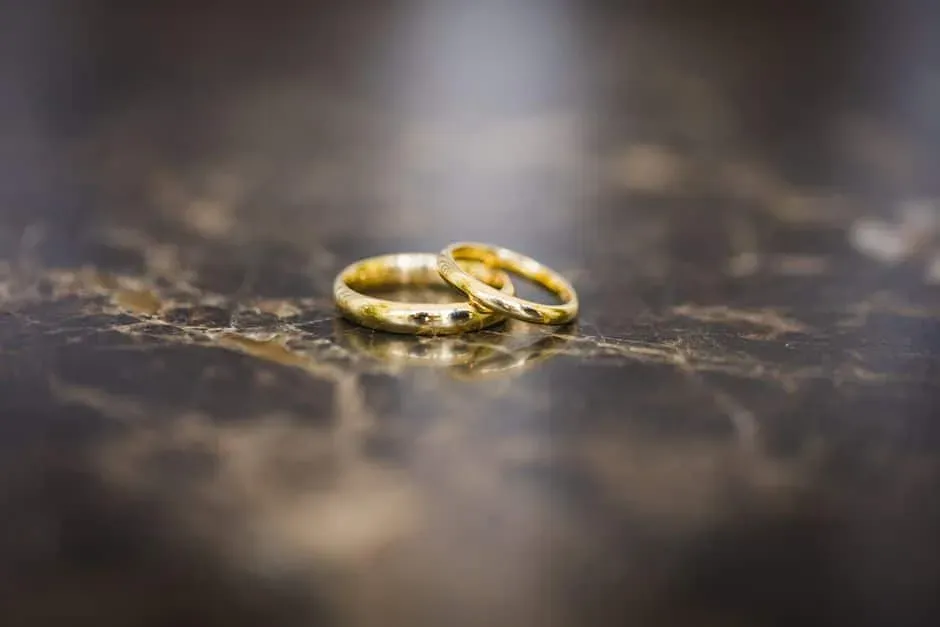
Check whether the band is comfortable, whether neighboring rings rub, and what resizing is possible for the design. Ask how a resize could affect the setting or surface pattern. Thin sections and worn prongs deserve attention even when the gold purity is known.
For a ring with a diamond, ask whether it is natural or laboratory-grown, which report describes it, and whether the stated weight is for one stone or all stones combined. The setting's 14K label does not answer those questions.
Keep buying terms separate from resale expectations
Read the return, sizing and warranty terms for the exact purchase, including any customized work. Keep the receipt and matching stone reports. A buyback or trade-in offer, if available from a seller, should be understood on its written terms rather than assumed.
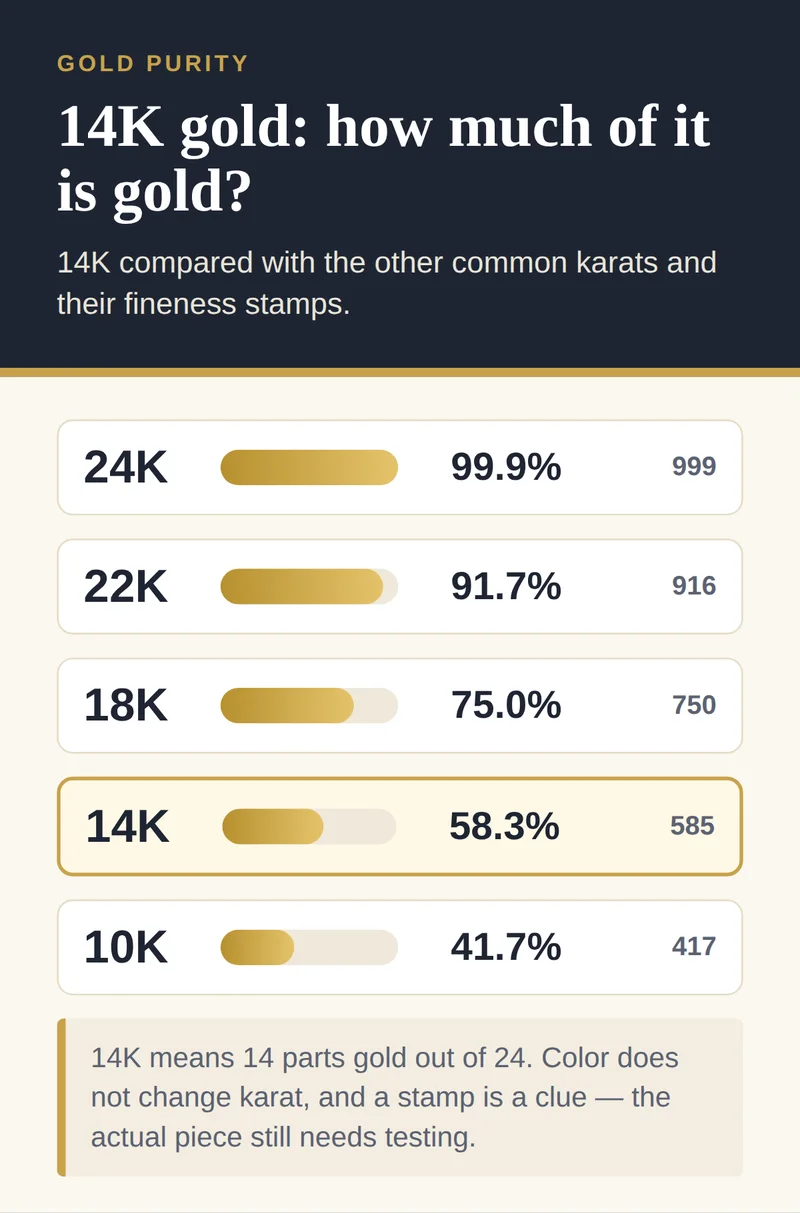
When you later sell, a buyer evaluates the ring you own under then-current conditions. A purchase offer need not match its retail cost or insurance replacement figure. Our metal-and-diamond value guide explains why both components matter.
Questions about comparing and reselling 14K gold rings
Where can I have an unwanted 14K ring evaluated?
Cash 4 Gold & Diamonds buys gold jewelry in Downtown Los Angeles. Bring the ring and existing records to an arranged visit at 617 S. Hill Street, Los Angeles, CA 90014. Call 310-663-1340 to discuss your items.
Does a 14K ring’s retail markup carry over into its resale offer?
Usually not. A new 14K ring’s retail price covers design, labor, stones, marketing and the seller’s margin as well as gold. A resale offer concerns the ring’s current condition, verified gold content and whether it can be resold as a complete piece. Our 18K ring metal-content guide shows how the metal side is calculated from net weight and purity.
Why can two 14K rings of the same size receive different offers?
Because the same karat does not mean the same amount of gold. A hollow band, a thin shank or an openwork design contains less 14K alloy than a solid, thick ring of the same size, and stones or maker information can change the complete-ring picture. Our 14K ring quality checklist lists the construction details worth comparing.
Which condition details matter when a 14K ring is evaluated?
Band thickness, the underside of the shank, prong wear, signs of resizing, missing or replaced stones and whether the markings match the metal all matter. Most of these affect whether the ring can be resold as a complete piece rather than its gold content. Our pre-owned 18K ring checklist covers the same condition checks in more detail.
Does the diamond in my 14K ring affect its sale evaluation?
Yes, the diamond is assessed separately from the 14K setting and can influence the offer. Know whether it is natural or laboratory-grown and whether a stated weight covers one stone or all stones combined. Cash 4 Gold & Diamonds in the Downtown Los Angeles Jewelry District buys natural cut and polished diamonds, not laboratory-grown ones, so bring matching reports with the ring.