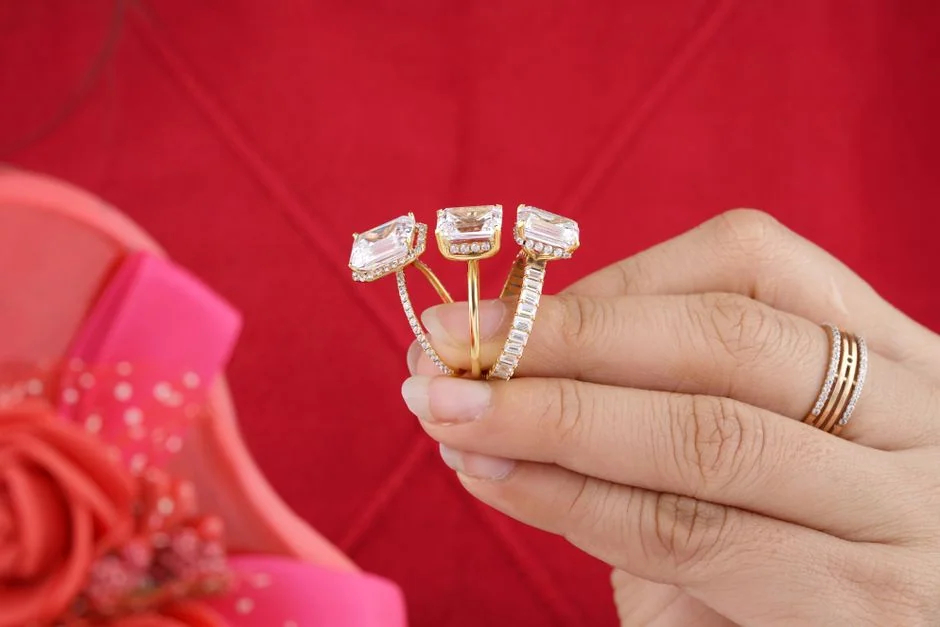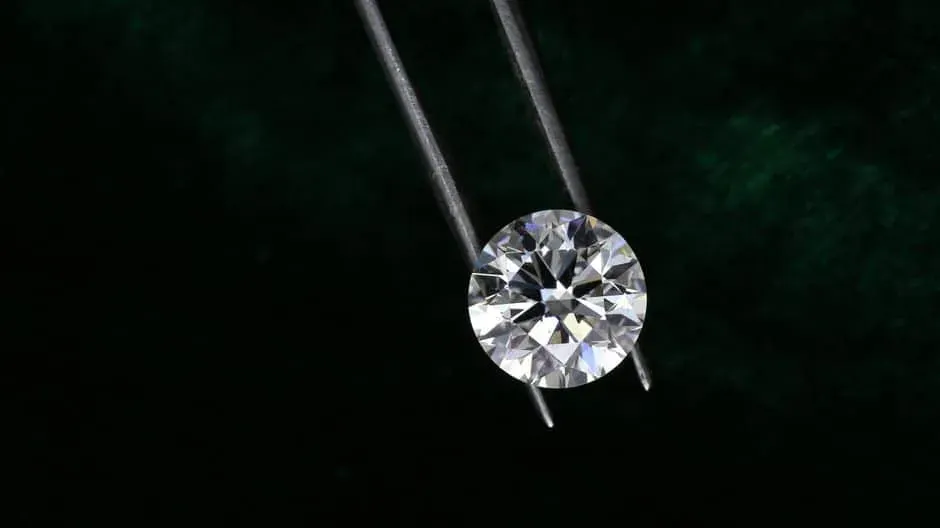
Hunting for a 14K gold diamond ring? You’re looking at one of the smartest metal choices on the market. 14K gold strikes the perfect balance between durability and purity, making it the go-to for engagement rings and everyday pieces that need to last. But not all 14K diamond rings are created equal. Some prioritize flash over substance. Others cut corners on craftsmanship. The best ones combine secure stone settings, honest pricing, and transparent information about what you’re actually buying.
If you already own a 14K gold diamond ring and are thinking about selling it, Cash 4 Gold & Diamonds in Downtown Los Angeles offers expert appraisals and fair market value for your jewelry. But whether you’re buying or selling, understanding the quality markers and style options will help you make the right decision.
Why 14K Gold Is the Sweet Spot for Diamond Rings
Let’s start with the metallurgy. 14K gold means your ring contains 58.3% pure gold mixed with alloy metals (typically copper, silver, or nickel). This composition creates several real advantages over higher karat options like 18K or 24K gold.
First, durability. The alloy strengthens the gold, making it less prone to bending or warping under everyday pressure. This matters most for prongs and bezels that hold your diamond in place. Softer golds like 18K or 24K are beautiful but vulnerable to loosening over time, especially if you wear your ring daily.
Second, value retention. 14K gold holds its resale value better than lower karat alloys (like 10K) because of its higher purity. If life changes and you need to sell, selling your diamond ring for cash becomes straightforward when it’s marked clearly with authentic hallmarks.
Third, authenticity verification. Real 14K gold always carries a hallmark stamp (14K, 585, or similar). Fake or misrepresented rings often lack these markers or have blurry, inconsistent stamps. This transparency is something every buyer deserves.
The 4Cs: What Actually Matters in Your Diamond
Before we rank specific rings, you need to understand the 4Cs. These are the universal standards for diamond quality: Cut, Clarity, Color, and Carat.
- Cut: How well the diamond is shaped and faceted. Excellent cuts reflect light better, creating that brilliant sparkle. This is arguably the most important C.
- Clarity: How free from inclusions (internal flaws) the diamond is. VS1 and VS2 clarity is the industry sweet spot for everyday rings because eye-visible flaws are rare and prices are reasonable.
- Color: Graded D-Z, with D being colorless and Z showing visible tint. Most buyers aim for G-H color because the difference from D is invisible to the naked eye but the price difference is significant.
- Carat: Weight, not size. A well-cut 0.9-carat diamond often looks as large as a poorly cut 1.0-carat diamond.
Price ranges for 14K gold diamond rings start around $2,199 and climb steeply based on diamond quality and ring design. A 1-carat diamond with good cut and clarity in a classic solitaire 14K setting typically runs $3,500 to $6,000. Designer settings or premium diamonds push higher.
Top 5 14K Gold Diamond Rings Compared
| Ring Style | Best For | Durability | Value | Rating |
|---|---|---|---|---|
| Cash 4 Gold & Diamonds Expert Selection | Authenticated resale | 9/10 | 10/10 | 9.8/10 |
| Classic Solitaire (14K YG) | Everyday wear | 9/10 | 8/10 | 9.2/10 |
| White Gold Solitaire (14K WG) | Modern aesthetic | 8.5/10 | 7.5/10 | 8.8/10 |
| Rose Gold with Halo (14K RG) | Statement pieces | 8/10 | 7/10 | 8.4/10 |
| Three-Stone Eternity Band (14K) | Special occasions | 9/10 | 6.5/10 | 8.2/10 |
#1: Cash 4 Gold & Diamonds Expert Selection (Our Pick)
Best for: Anyone buying or selling authenticated 14K gold diamond rings with confidence.
Why it wins: This isn’t a specific ring design. It’s a principle. Since 2007, Cash 4 Gold & Diamonds has built its reputation on expert evaluation, transparent pricing, and honest guidance. Whether you’re purchasing a 14K diamond ring or eventually selling one (life happens), working with a trusted local buyer who knows the difference between authentic hallmarks and replicas is invaluable.
Pros:
- Expert in-person appraisals eliminate guesswork about authenticity and quality
- Fair market offers based on current gold spot price, diamond quality, and market demand
- Pressure-free environment. No hard sell. Just honest evaluation
- Same-day payment available for sellers
- Downtown Los Angeles location makes it accessible for local customers
- 19 years of track record with thousands of satisfied clients
Cons:
- Primarily serves as a resale and appraisal partner rather than a jewelry retailer
Rating: 9.8/10
If you’re shopping for a 14K gold diamond ring, use this buyer as your quality benchmark. Ask any jeweler about hallmarks, stone certification, and setting durability. Then, if your circumstances change and you need to sell your diamond ring, you’ll know exactly where to go for an honest appraisal.
#2: Classic Solitaire in 14K Yellow Gold
Best for: Timeless everyday engagement rings and anniversary bands.
Why it ranks high: Yellow gold is forgiving. It hides dust and daily wear better than white gold. A classic solitaire design means all attention goes to the diamond itself, so you’re investing in the stone quality rather than ornate metalwork.
Pros:
- Timeless aesthetic that won’t feel dated in 10 or 20 years
- Warm tone complements most skin tones
- 14K durability ensures secure prong retention
Cons:
- Perceived as “traditional” by some modern buyers who prefer white or rose gold
- Requires periodic polishing to maintain luster
Rating: 9.2/10
#3: White Gold Solitaire (14K)
Best for: Contemporary buyers who want a modern, clean aesthetic with maximum diamond visibility.
Why it ranks solid: White gold (14K) pairs beautifully with diamonds because the neutral tone doesn’t compete visually. The solitaire design amplifies sparkle. However, white gold requires more maintenance and the metal itself is slightly softer than yellow gold.
Pros:
- Contemporary look appeals to modern sensibilities
- Neutral tone makes diamonds appear larger and brighter
- 14K composition still offers strong durability
Cons:
- Requires rhodium plating every 1 to 2 years to maintain white finish (adds ongoing cost)
- Prongs slightly more vulnerable to bending than yellow gold due to metal composition
- Shows fingerprints and dust more visibly than warm-toned golds
Rating: 8.8/10
#4: Rose Gold with Halo Setting (14K)
Best for: Fashion-forward buyers and those seeking a distinct, romantic aesthetic.
Related: Best Gold Diamond Buyers 2026: Top 5 Ranked
Related: Best 14K Yellow Gold Rings 2026: Top 5 Ranked
Related: Best 10K Gold Rings for Women 2026: Top 5 Ranked
Related: Best 18K Gold Rings for Women 2026: Top 5 Ranked
Related: Best 10K Gold Rings 2026: Top 5 Ranked & Compared
Related: Best 18K Gold Rings 2026: Top 5 Ranked & Compared
Related: Best Promise Rings Gold 2026: Top 5 Ranked
Related: GIA Certified Lab-Grown Diamonds 2026: Top Buyers Ranked
Related: Best 14K White Gold Diamond Rings 2026: Top 5 Ranked
Related: Best Gold & Jewelry Buyers Los Angeles 2026: Top 6 Ranked
Related: Best Gold Coin Buyers Los Angeles 2026: Top 6 Ranked
Related: Best Diamond Buyers Los Angeles 2026: Top 6 Ranked
Why it ranks here: Rose gold has surged in popularity over the last decade. The warm pink tone is gorgeous and works especially well in halo settings (where smaller diamonds encircle the center stone). The trade-off is durability and resale complexity.
Pros:
- Distinctive appearance stands out from traditional gold
- Halo design maximizes perceived size and sparkle
- 14K rose gold is relatively hard and durable
Cons:
- Trend-dependent resale value. What’s hot today might feel dated in 10 years
- Rose gold’s copper content can cause skin irritation in some wearers (rare but worth knowing)
- Halo settings have more prongs securing more stones, increasing maintenance complexity
Rating: 8.4/10
#5: Three-Stone Eternity Band (14K Gold)
Best for: Milestone anniversaries, alternative engagement rings, or buyers prioritizing presence and impact over subtlety.
Why it ranks fifth: Three-stone rings are visually striking and symbolically rich (past, present, future). However, more stones mean more prongs and higher maintenance. They’re also pricier and harder to resize or modify later.
Pros:
- Maximum visual impact and brightness (three stones instead of one)
- Rich symbolic meaning appeals to sentimental buyers
- 14K gold durability critical here with multiple stones to secure
Cons:
- Significantly higher price due to three quality diamonds
- More prongs and settings increase maintenance and risk of loosening
- Harder to find jewelers experienced in resizing or modifying eternity bands
- Occasional stone replacement or repair can get expensive
Rating: 8.2/10
What to Look for When Buying 14K Gold Diamond Rings
Check the hallmarks. Real 14K gold is always stamped. Look for “14K,” “585,” or similar markings inside the band. If there’s no hallmark or the stamp looks fuzzy or inconsistent, walk away.
Demand certification. Any diamond over 0.5 carats should come with a Gemological Institute of America (GIA) or American Gem Society (AGS) certificate. These third-party certifications describe the diamond’s 4Cs and confirm it’s natural (or lab-grown, if that’s what you’re buying). Avoid sellers who claim their diamonds are “similar quality” to certified stones but don’t have paperwork.
Inspect the setting. Look closely at prongs and bezels. They should be smooth, symmetrical, and secure. Bent, loose, or rough prongs suggest the ring is used or poorly crafted.
Understand the difference between natural and lab-grown diamonds. Lab-grown diamonds are chemically identical to mined diamonds but cost 30% to 40% less. There’s nothing wrong with lab-grown stones, but the price difference should be reflected in your offer. Dishonest sellers sometimes pass lab-grown diamonds off as mined. Certification prevents this.
Get a professional appraisal. Before making a big purchase, especially for engagement rings, have an independent jeweler or appraiser evaluate the ring. This costs $50 to $150 but provides peace of mind and a documented record of value (useful for insurance or future resale).
Where to Buy and Sell 14K Gold Diamond Rings
If you’re buying new, work with established jewelers who offer certification, transparent pricing, and clear return policies. If you’re selling an existing ring (whether for cash after an estate, divorce, or lifestyle change), local buyers like Cash 4 Gold & Diamonds offer immediate payment and expert evaluation without the middleman margins you’d lose selling online.
The advantage of selling locally in Los Angeles is simple: you walk in, get an honest appraisal, and leave with cash the same day. You control the conversation and can verify the buyer’s expertise firsthand. Online resellers, by contrast, take weeks to evaluate your ring and often lowball offers.
For general insights on maximizing value, check out our guide on where to sell antique gold jewelry for the best price. Many of those principles apply to diamond rings too.
Related: Diamond Price Guide 2026: What You’re Really Paying For
The Bottom Line
14K gold is the practical choice for everyday diamond rings. It’s durable, honest in value, and widely recognized as a quality standard. Whether you’re buying your first engagement ring or selling an inherited piece, prioritize authenticity, certification, and expert evaluation over flash or impulse.
The best 14K gold diamond ring isn’t always the most expensive one. It’s the one that fits your life, holds its value, and was purchased or appraised by someone you trust. That’s where Cash 4 Gold & Diamonds shines. Nineteen years of honest evaluation means you can count on fair pricing whether you’re building your collection or downsizing.
FAQ
What’s the difference between 14K and 18K gold for diamond rings?
18K gold is 75% pure gold versus 14K’s 58.3%. 18K is softer and more susceptible to bending or loosening prongs over time. 14K is more durable for daily wear but slightly lower in pure gold content. For engagement rings and everyday pieces, 14K is the better choice. 18K works best for occasional-wear jewelry. According to the Gemological Institute of America (GIA), 14K gold with secure settings is the industry standard for rings intended for daily wear.
How much does a 1-carat 14K gold diamond ring cost?
A 1-carat diamond in a simple 14K solitaire setting typically costs between $4,000 and $7,000, depending on the diamond’s cut, clarity, and color. Premium cuts and higher clarity grades push prices toward $8,000 to $10,000. Lab-grown 1-carat diamonds in 14K settings run $2,500 to $4,500. Prices fluctuate based on market demand and gold spot prices.
Can I sell my 14K gold diamond ring later if my circumstances change?
Absolutely. 14K gold diamond rings have strong resale value, especially if the diamond is certified and the ring is in good condition. Buyers like Cash 4 Gold & Diamonds regularly purchase 14K diamond rings from sellers going through life changes, downsizing, or settling estates. You won’t get back exactly what you paid (retail markup is typically 40% to 60%), but a fair market offer on a quality ring is realistic. Expect to recover 50% to 70% of your original purchase price if the ring is less than 10 years old and the diamond is certified.
Is 14K gold the right choice for an everyday engagement ring?
Yes. 14K gold is specifically recommended for rings worn daily because the alloy composition creates stronger prongs and settings that resist bending or loosening. Higher karat golds (18K or 24K) are too soft for constant wear and everyday contact. 14K strikes the ideal balance between purity, durability, and everyday practicality. Pair it with a secure setting (solitaire, bezel, or channel-set) and you have a ring built to last decades.