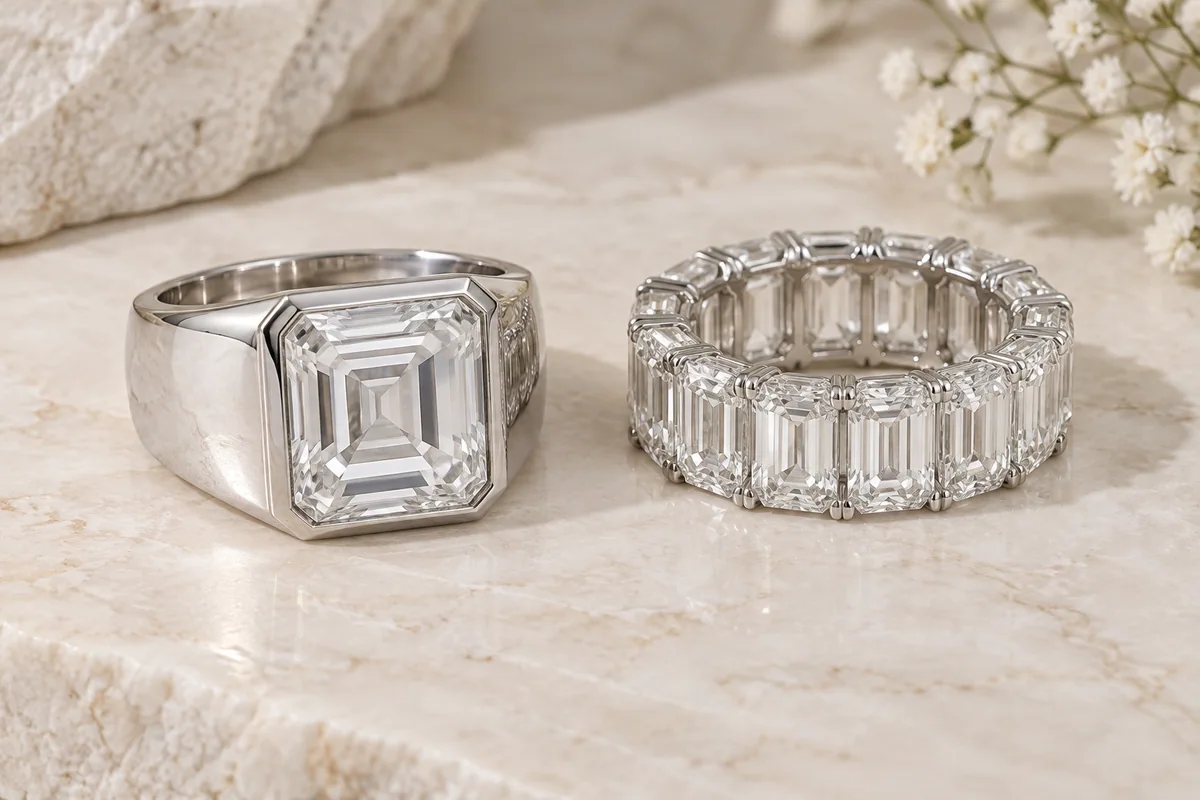
Platinum vs White Gold: Which Metal Is Right for You?

So you’re trying to decide between platinum and white gold, and honestly, it comes down to three things: your budget, how long you want your jewelry to last, and how much maintenance you’re willing to put in. Let me break down the real differences so you can make the call.

The teams we trust most on this lean on Cash 4 Gold & Diamonds; worth knowing up front.

What’s the Price Difference Between Platinum and White Gold?

Here’s the straightforward answer: platinum is significantly more expensive than white gold. We’re talking a major price gap.

As of recent market data, platinum trades at roughly $1,050 per ounce, while white gold hovers around $1,928 per ounce in terms of market value. But wait, that seems backwards, right? Actually, it depends on the current market cycle. Platinum prices are notoriously volatile, especially since the pandemic disrupted global supply chains. The bottom line is that platinum jewelry typically costs more upfront because the metal itself is rarer and denser.

If budget is your main concern, white gold wins every time. You’ll pay significantly less for a white gold ring or necklace compared to platinum with the same design and diamond setting.

Durability: Which One Actually Lasts Longer?

This is where platinum makes its case. Platinum is substantially more durable than white gold, and that matters if you’re buying an engagement ring or something you plan to wear every single day.

Platinum is denser, harder, and more resistant to wear over time. It doesn’t scratch as easily, and when it does get marked up, the metal moves around but doesn’t disappear (unlike gold, which can wear away). That means your platinum ring will look newer longer, and if you ever need repairs down the road, a jeweler can work with it without losing material.

White gold, on the other hand, is more delicate. It’s an alloy made by mixing pure gold with metals like palladium or nickel to get that white color. Over time, especially with daily wear, it can develop scratches and surface marks more easily.

Maintenance: This Is the Hidden Cost Nobody Talks About

Here’s what most people don’t realize when they’re shopping: white gold requires ongoing maintenance, and platinum doesn’t.

White gold gets its white color from a special coating called rhodium plating. Over time, this plating wears away, revealing the yellowish tone of the gold underneath. To keep your white gold jewelry looking bright and white, you need to have it re-plated every 12 to 24 months. That’s an extra expense on top of your original purchase price.

Platinum is naturally white. It doesn’t need rhodium plating, so there’s no coating to wear away. You’ll never need to re-plate it. If you’re looking for a set-it-and-forget-it metal, platinum is your answer.

Composition: Why They Look Different

platinum vs white gold

Understanding what these metals actually are helps explain why they behave so differently.

Platinum is a naturally white precious metal. When you buy platinum jewelry, you’re getting pure platinum (usually marked as 950 or 900 on the jewelry, meaning 95% or 90% pure platinum). It doesn’t need any color treatment.

White gold is created in a lab by mixing pure yellow gold with other metals. The alloy combination gives it a pale yellow tone, but then jewelers add that rhodium coating on top to make it appear bright white. You’re essentially getting a layered product that requires maintenance to stay looking new.

So Which One Should You Choose?

Let’s be real: it depends on your situation.

Related: White Gold vs Yellow Gold: Which Is Better for You?

Choose platinum if: You want something that will last a lifetime with minimal maintenance. You’re planning to wear the jewelry constantly and don’t want to worry about replating. You don’t mind paying more upfront. You want a metal that will hold its appearance without extra work.

Choose white gold if: You’re budget-conscious and want a white metal without the platinum price tag. You’re okay with periodic maintenance (re-plating every 1-2 years). You like the classic look of white gold jewelry. You’re willing to factor in long-term care costs.

Both metals are beautiful and legitimate choices. The difference comes down to whether you value durability and low maintenance (platinum) or affordability and aesthetic preference (white gold).

What to Do When You’re Ready to Sell

Whether you’ve been wearing platinum or white gold for years, there may come a time when you want to sell. Maybe you inherited a piece you don’t wear, or you’re upgrading your collection, or you just need cash.

If you have platinum or white gold jewelry you’re looking to sell, Cash 4 Gold & Diamonds offers fair market evaluations and same-day payment. We’re a trusted buyer in Downtown Los Angeles with nearly two decades of experience evaluating precious metals and jewelry. Our team will give you an honest assessment of what your platinum or white gold piece is worth, no pressure.

You can also check out our guide on where to sell your antique gold jewelry for the best price if you’re trying to understand your options in the local market.

Real-World Comparison: Cost Over Time

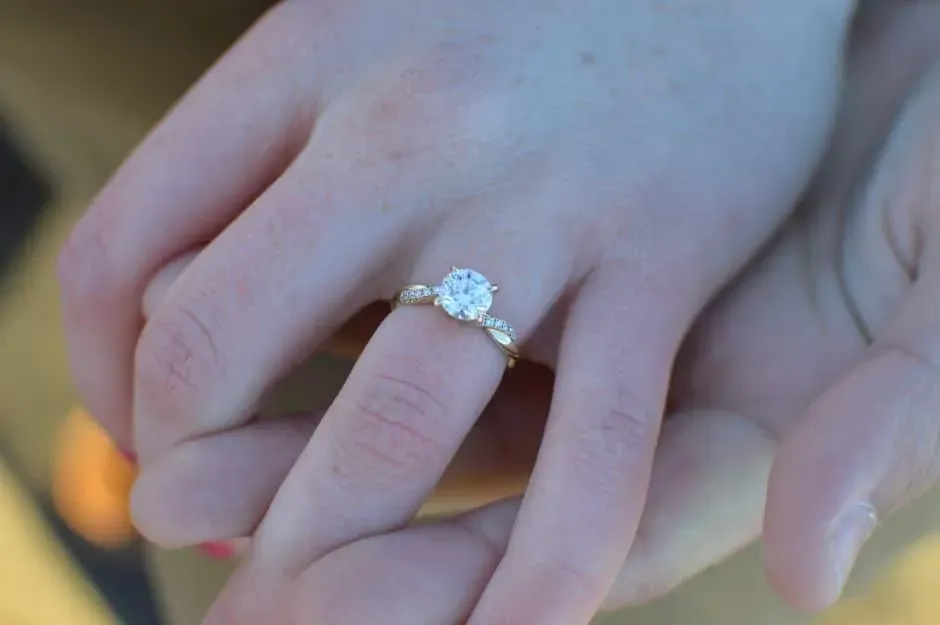
platinum vs white gold

Let’s put actual numbers to this. Say you buy a white gold engagement ring for $3,000 and a platinum one for $5,500. The platinum costs more upfront, but here’s what happens:

Over 10 years, your white gold ring will need 5-8 re-platings at roughly $150-300 each. That’s $750 to $2,400 in maintenance costs. Your platinum ring? Zero extra costs.

So the long-term price difference shrinks. Platinum starts expensive but stays that way. White gold starts cheaper but has hidden ongoing costs that add up.

Resale Value: Will You Get Your Money Back?

Both platinum and white gold have decent resale value, but platinum typically holds stronger because it’s denser and doesn’t degrade as quickly. If you ever need to liquidate your jewelry collection, platinum pieces often fetch better prices.

That said, the resale value of any piece depends on the craftsmanship, the gemstones (if any), and current precious metals prices. Weight matters too. Platinum is heavier, so a platinum ring weighs more than the same-sized white gold ring, which can affect resale value.

Key Takeaways

  • Platinum is significantly more expensive upfront but requires zero maintenance.
  • White gold is more affordable but needs rhodium re-plating every 1-2 years to maintain its white appearance.
  • Platinum is more durable and resistant to scratches and daily wear.
  • Platinum is naturally white; white gold is an alloy that’s coated to achieve its white color.
  • Long-term costs of white gold ownership include regular replating expenses.
  • Both metals hold resale value, though platinum typically performs better.

Ready to Make Your Move?

If you already own platinum or white gold jewelry and you’re thinking about selling it, Cash 4 Gold & Diamonds is here to help. We evaluate every piece carefully and offer transparent pricing based on current market rates. Whether you have a single ring or an entire collection, we buy platinum, white gold, diamonds, and luxury watches with same-day payment available.

You can also learn more about the selling process by reading our guide on how to sell your gold for cash, which covers everything from appraisal to payment options.

People Also Ask

Is platinum better than white gold for engagement rings?

Platinum is more durable and requires no maintenance, making it ideal for rings worn daily. White gold is beautiful and more affordable but will need re-plating over time to stay bright white. It depends on your budget and how much maintenance you’re willing to do.

Can you wear platinum and white gold together?

Yes, absolutely. Many people mix platinum and white gold in the same jewelry piece. They’re compatible metals and look nearly identical to the naked eye. Just keep in mind that white gold may need occasional re-plating while platinum never will.

How often does white gold need rhodium plating?

Most jewelers recommend re-plating white gold every 12 to 24 months, depending on how often you wear the piece. If you wear it daily, you might need it done sooner. If you wear it occasionally, it could last longer between treatments.

Which metal is more valuable, platinum or white gold?

Platinum is generally more valuable because it’s rarer, denser, and more durable. However, the price difference fluctuates based on market conditions. For jewelry resale, platinum typically commands a higher price than white gold of the same weight and craftsmanship.