
18K Gold Jewelry: Purity, Markings and Selling Preparation
18K describes a nominal gold content of 18 parts out of 24. Evaluate the actual metal weight and purity, then consider the finished piece, stones and records before accepting an offer.
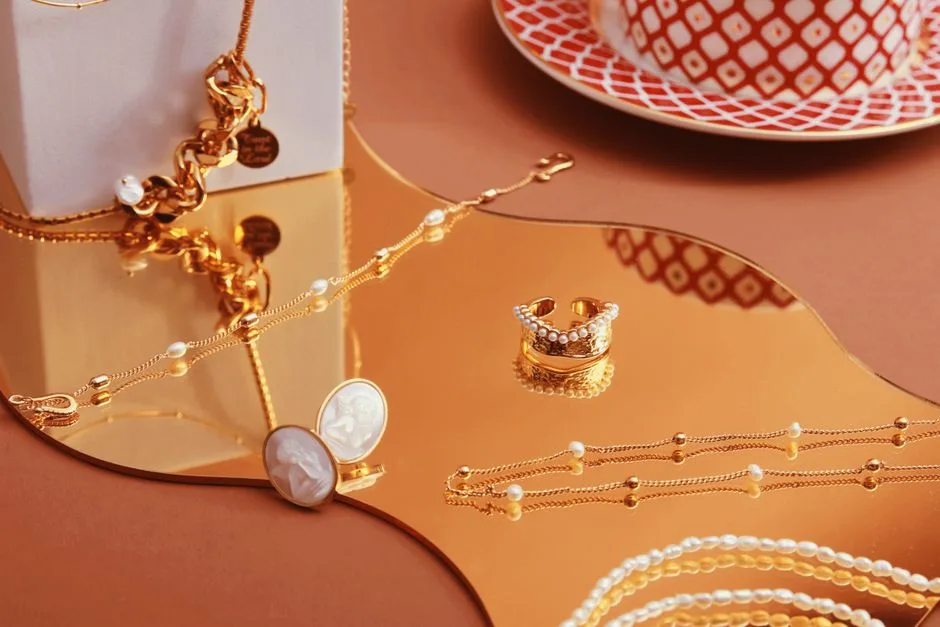
18K gold jewelry is the sweet spot between pure gold and everyday durability. It contains 75% pure gold mixed with other metals, giving you a piece that's genuinely valuable without being too soft to wear. That's why 18K pieces show up in luxury collections, estate jewelry, and serious everyday wear.
Here's the straightforward answer: if you're shopping for quality gold or thinking about selling inherited pieces, understanding 18K gold matters. Let's walk through what it actually is, why the purity matters for your wallet, and how to make smarter decisions about buying or selling.
What Is 18K Gold, Exactly?
For gold and plating terminology, see the FTC guide to precious-metal jewelry. A marking describes a claim that must be evaluated with the actual item.
18K gold means the piece is 18 parts pure gold out of 24 total parts. That breaks down to 75% gold purity, which is significantly higher than 14K gold at 58.3% purity. You're getting roughly 29% more actual gold content in an 18K piece compared to an equivalent 14K item.
The remaining 25% is made up of other metals. These alloys might include copper, silver, nickel, or zinc. Why mix it in? Pure gold is soft and bends easily. Alloying it makes the jewelry durable enough for daily wear while keeping the gold content high enough to hold real value.
When you see a stamp that says “750” on your jewelry, that's the hallmark for 18K gold. Same thing, different notation. The number represents parts per thousand of pure gold.
Why 18K Gold Jewelry Holds Its Value
For the same verified metal weight, 18K gold contains more gold than 14K gold. Its gold-content estimate changes with the reference price used for the evaluation. Designer identity, stones, construction and condition may also affect a whole-piece offer.
That's not the only factor, though. Designer name, craftsmanship, gemstones, and condition all matter. But the gold content is the foundation. When you're deciding whether to hold onto a piece or sell it, knowing you have 75% pure gold working in your favor is reassuring.
If you inherited estate jewelry or own a collection you're thinking about liquidating, Cash 4 Gold & Diamonds evaluates pieces based on weight, purity, and current market rates. Transparent pricing means you know exactly what your 18K items are worth before making any decisions.
18K Gold vs. Other Gold Purities
Understanding how 18K stacks up against other options helps you buy smarter or evaluate what you own.
- 24K Gold: This is pure gold, 99.9% purity. It's beautiful and maximizes gold content, but it's too soft for rings, bracelets, and anything you wear daily. It dents, bends, and scratches easily. You'll mostly see 24K in coins, bars, or special pieces you don't wear.
- 18K Gold: A true luxury choice. High purity for value, tough enough for everyday wear. Wedding rings, fine necklaces, and heirloom pieces often come in 18K.
- 14K Gold: The most common purity in retail jewelry. Still 58.3% pure gold, solid durability, more affordable. Great if you want decent value without the higher price tag.
- 10K gold: Nominally 10 parts gold out of 24, or about 41.7%. Purity is one factor in evaluating a piece; it does not establish its condition or craftsmanship.
The jump from 14K to 18K is meaningful. You're not just getting a slightly better piece. You're investing in noticeably more gold, which shows up in the weight, the feel, and the resale value.
How to Spot 18K Gold Jewelry
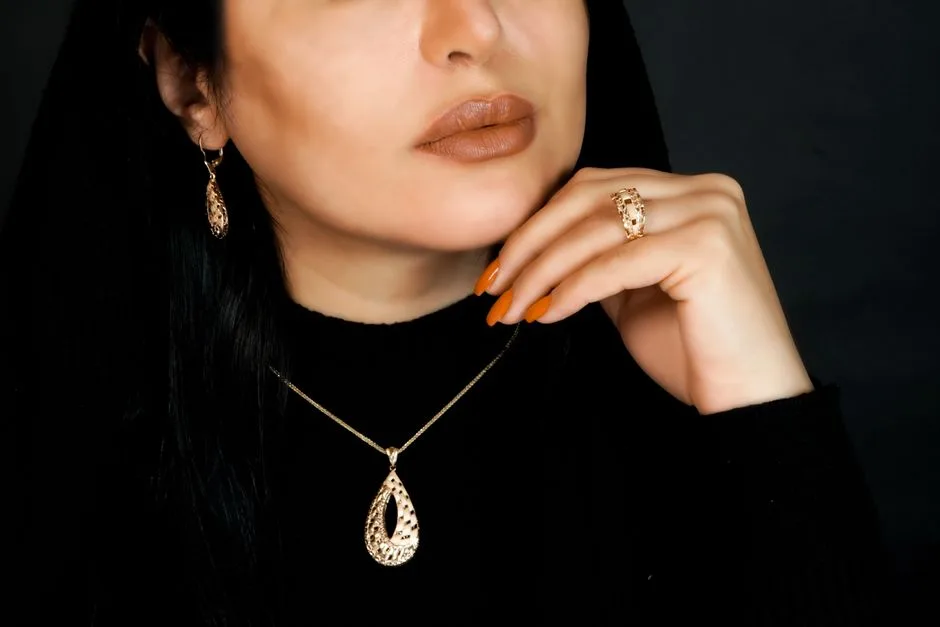
Look for marks such as 18K or 750, but have the metal evaluated if its identity is uncertain; a stamp alone does not authenticate an item. Look inside a ring, on the clasp of a necklace, or stamped on the surface. You'll see:
- “18K” or “18kt”
- “750”
- A maker's mark or logo (designer's symbol)
If there's no hallmark, that's a red flag. It doesn't automatically mean the piece is fake, but it makes authentication harder. Real 18K gold should feel substantial in your hand. It's heavier than lower-karat gold pieces of the same size because there's more actual metal inside.
If you are unsure about a piece, ask the evaluator which tests are appropriate and what their limits are. Marks and surface checks may not settle the composition of an entire item. Discuss any testing that could mark or alter the piece before agreeing to it.
When to Buy 18K Gold Jewelry
18K gold makes sense if you want to balance luxury with practicality. You're getting genuine high-purity gold in a piece you can actually wear.
Buy 18K if you want it to last for decades or pass it down. A well-made 18K ring or bracelet won't require constant replating or repairs from normal wear. The high gold content means it ages beautifully.
Also consider 18K for statement pieces. If you're investing in one quality necklace, bracelet, or pair of earrings that you'll wear often, going with 18K means you're getting more value per piece.
The trade-off is price. 18K jewelry costs more upfront than 14K. But if you're keeping it for the long haul, the cost per year of ownership goes down fast.
Selling 18K Gold Jewelry: What to Expect
If you're liquidating inherited pieces, downsizing a collection, or settling an estate, your 18K items are valuable. The price you receive depends on current gold spot prices, the weight of the piece, and the purity.
Here's what happens in a typical evaluation: The buyer weighs your item, confirms it's 18K (or whatever the actual purity is), and calculates the gold content. They then apply the current market rate for gold and typically offer you a percentage of that value, depending on their margin and whether there are any gemstones or design premiums involved.
Gold reference prices change. Compare dated quotations using the same units, and keep the metal-content estimate separate from the final purchase offer.
Ask for the final offer, payment method and expected timing before accepting. You shouldn't feel pressured, and you should always get a clear breakdown of the weight, purity, and calculated value before you decide to sell. Cash 4 Gold & Diamonds operates on a pressure-free model where you can walk out with your items if the offer doesn't feel right. Your comfort and confidence matter more than rushing a sale.
Common Questions About 18K Gold Jewelry
Does 18K gold tarnish or fade?
18K gold doesn't tarnish in the traditional sense because gold itself doesn't rust or corrode. However, if your piece contains copper or other alloys, those metals might darken slightly over time with exposure to moisture and air. Regular cleaning keeps it bright. The gold content stays pure and won't degrade.
Is 18K gold better than 14K for engagement rings?
Both work for rings, but they're different choices. 18K is higher purity and holds more value. 14K is more affordable and slightly more durable in extreme daily wear. For a piece you'll wear constantly and possibly pass down, 18K is the classic choice. For everyday wear on a tighter budget, 14K is solid.
Can you resize or repair 18K gold jewelry?
Repair or resizing options depend on the construction, stones, prior work and condition. Ask a qualified jeweler to assess the actual piece before authorizing alterations.
How much is my 18K gold jewelry worth right now?
For a metal-content estimate, multiply verified gold-alloy weight in grams by 0.75 and by a dated pure-gold reference price per gram. Exclude gemstones and non-gold components from that metal weight. This estimate is not a guaranteed purchase offer; the finished piece may also have value from its design, maker, stones and condition.