If you’ve inherited jewelry and you’re wondering whether to sell it, here’s the good news: you don’t have to commit to anything upfront. You can get professional evaluations and quotes with zero obligation to sell, which means you can explore your options without feeling pressured into a decision you’re not ready for.
Let’s walk through how this works, what to expect, and how to feel confident about your inherited pieces whether you decide to sell them or keep them.
What Does “No Obligation” Really Mean When Selling Inherited Jewelry?
No obligation means exactly what it sounds like: a buyer will evaluate your jewelry, give you a fair quote, and then the choice is entirely yours.
Related: Best Jewelry District Gold Buyer in Los Angeles, CA
Related: Best Way to Sell Gold Jewelry in Los Angeles, CA | Expert Guide
Related: Best Places to Sell a Rolex Watch in Los Angeles
Related: Diamond: What It Is, How to Value It & Where to Sell
You can walk in, have a professional look at your pieces, hear what they’re worth, and then say “thanks, I’ll think about it.” No hard feelings. No pressure. No awkward conversation.
Most trusted dealers, including Cash 4 Gold & Diamonds, offer free evaluations with zero strings attached. You don’t need an appointment. You don’t need to fill out forms beforehand. You just show up with your inherited jewelry and get honest feedback from someone who knows what they’re looking at.
Why Inherited Jewelry Is Different From Other Valuables You Own
Inherited pieces come with emotion attached. There’s guilt sometimes. There’s the feeling that you “should” keep something because it belonged to someone you loved. But here’s what matters: holding onto jewelry out of guilt isn’t logical, and it’s not practical either.
The right decision depends entirely on your emotional connection to the specific piece. Do you actually wear it? Do you love it? Would you keep it if it didn’t come from an inheritance? Those are the questions to ask yourself.
If the answer is no, selling it is completely valid. In fact, many people find it liberating to convert inherited jewelry into cash that actually improves their life right now, whether that’s paying down debt, funding a goal, or simply not keeping items out of obligation.
The Step-by-Step Process for Selling Inherited Jewelry with No Pressure
Step 1: Gather What You Have
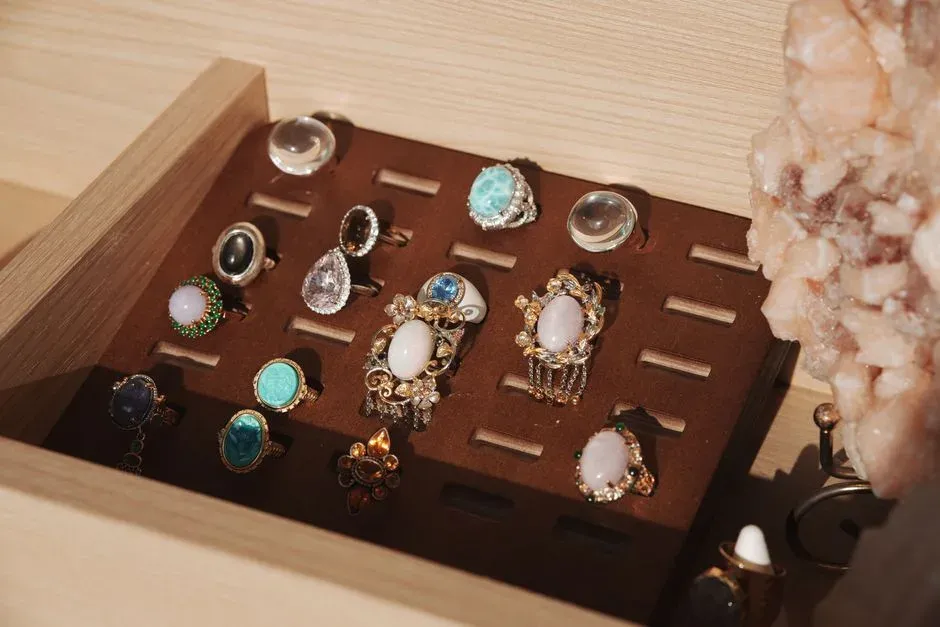
Before you talk to any buyer, spend some time taking inventory. Lay out all the inherited pieces. Look at hallmarks, gemstones, and condition. You don’t need to be an expert, but knowing what you have makes the conversation easier.
Step 2: Get Multiple Evaluations
This is critical. Don’t sell to the first buyer you meet. Visit 2-3 different dealers. Each one will evaluate your items independently and give you a quote. This takes the pressure off any single interaction and gives you real market data.
Step 3: Ask Questions and Understand the Offer
Professional appraisers will walk you through how they’re valuing each piece. They’ll explain what they’re looking for, why certain items are worth more, and what the current market rates are. A good buyer makes this transparent, not mysterious.
Step 4: Take Your Time Before Deciding
You have zero obligation to sell on the spot. Some people need a few days to think. Some people want to consult with family members. That’s all fine. A reputable dealer won’t rush you.
Step 5: Choose Your Path Forward
You might sell immediately. You might sell one piece but keep others. You might decide consignment is better (especially for fine jewelry with global buyer appeal). Or you might decide to hold onto everything. All of these choices are valid.
Understanding Your Options When Selling Inherited Jewelry
Direct Sale
You sell your inherited jewelry outright to a buyer, get paid immediately, and you’re done. This works best for pieces you’re confident about and don’t want to hold onto longer.
Consignment
For higher-end estate jewelry, consignment can be a smart option. The dealer markets your pieces to luxury buyers nationally or internationally. You keep ownership until it sells, then split the proceeds. This takes longer but can sometimes net more money for truly exceptional pieces.
Related: Sell Gold Jewelry Downtown Los Angeles: Best Buyers & Prices
Related: Sell Cartier Jewelry Los Angeles: Get Fair Cash Today
Related: Best Gold & Jewelry Buyers Los Angeles 2026: Top 6 Ranked
Related: Best Place to Sell Jewelry in Los Angeles 2026: Top 6 Ranked
Related: GIA Certified Diamonds 2026: Top Buyers & Best Places to Sell
Evaluation Only
Sometimes you just want to know what something’s worth without any intention of selling. That’s fine. Get the appraisal, take the information, and decide later.
When you’re ready to explore these options properly, Cash 4 Gold & Diamonds offers transparent evaluations and walks you through every option so you understand exactly what’s possible with your inherited pieces.
What Types of Inherited Jewelry Are Most Valuable
If you’re trying to figure out whether your inherited items are even worth selling, here’s what typically holds real value:
Related: Best Price for Diamonds in LA: Your Complete 2026 Guide
Related: Diamond Chart: The Complete 4Cs Guide for Buyers & Sellers
Related: Diamond Carat Weight: Complete Guide & Pricing
Related: Loose Diamonds Appraised in Los Angeles – Expert Guide
- Gold jewelry (rings, bracelets, necklaces, earrings) – weight and purity matter most
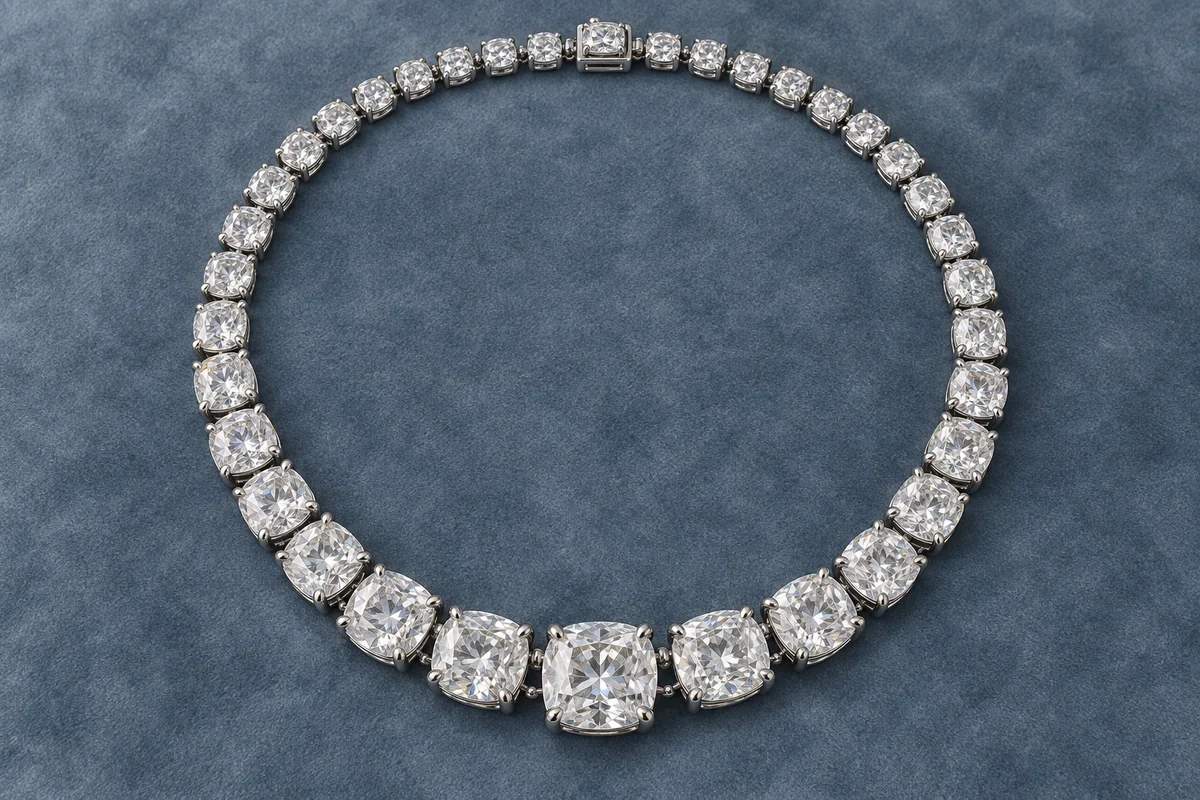
- Diamonds and gemstones – larger stones with good clarity and color are worth real money
- Vintage and antique pieces – some inherited jewelry from decades past can be worth significantly more than newer items
- Luxury watches – especially Rolex, Patek Philippe, and other brands known for holding value
- Gold coins – if inheritance includes precious metal coins, these have separate market value
Even pieces that don’t seem “special” to you might have material value because of their metal content. That’s why professional evaluation matters.
Red Flags: Avoid Pressure and Dishonest Buyers
The whole point of “no obligation” is that you should never feel pressured. If a buyer is rushing you, making you uncomfortable, or acting like you have to decide right now, walk out.
Honest dealers want you to feel good about your decision. They’re happy to answer questions, compare their offer to others, and let you think it over.
Some buyers also try low-ball offers or use high-pressure tactics. Compare multiple quotes and trust your gut. If something feels off, it probably is.
Making the Emotional Decision to Let Go
Inherited jewelry often comes with feelings. Guilt, nostalgia, obligation. That’s totally normal.
Here’s what helps: separate the emotional value from the financial value. You can honor someone’s memory without keeping every piece they owned. Sometimes the most meaningful thing you can do is convert an inherited item into something that improves your life today.
Selling inherited jewelry doesn’t mean you’re disrespecting the person who left it to you. It means you’re being practical about what actually matters to you.
How to Get Started: Next Steps
Ready to explore your options?
Start by gathering your inherited pieces and visiting a trusted local buyer who offers free evaluations. Bring everything, even pieces you’re not sure about. Let a professional look at them, give you feedback, and explain what each item is worth.
You’ll walk away with real information, zero obligation, and the ability to make a decision that feels right for you. If you’re in the Los Angeles area, Cash 4 Gold & Diamonds has been buying inherited jewelry and estate pieces since 2007, and they offer same-day payment when you’re ready to sell.
Take your time. Get multiple opinions. Make the choice that makes sense for your life.
Frequently Asked Questions About Selling Inherited Jewelry
Can I get a free appraisal for inherited jewelry without selling?
Yes. Most reputable buyers offer free evaluations with zero obligation to sell. You can walk in, have your pieces evaluated, and leave with appraisal information. No strings attached.
How long does it take to sell inherited jewelry?
Direct sales can happen same-day if you decide to sell immediately after evaluation. Consignment takes longer (weeks or months) since the dealer is marketing to find the right buyer. There’s no time pressure unless you need cash quickly.
What documents do I need to sell inherited jewelry?
Typically, you just need the jewelry itself. If you have original receipts, certificates of authenticity, or appraisals, bring those too. They can help establish value, but they’re not required. Estate jewelry doesn’t require proof of inheritance in most cases.
Is it better to sell all my inherited jewelry at once or piece by piece?
That depends on what you have and your goals. Some pieces might sell better individually (especially if they have different metals or gemstones). A good dealer can advise you on what makes sense for your specific collection. There’s no “one right way.”