
Diamond Basics: Identify Your Item and Prepare to Sell
Start by establishing what the stone is and what information is available about it. Then consider its quality, condition and complete setting before requesting an offer. A sparkle test, old receipt or generic online price cannot replace examination of your item.
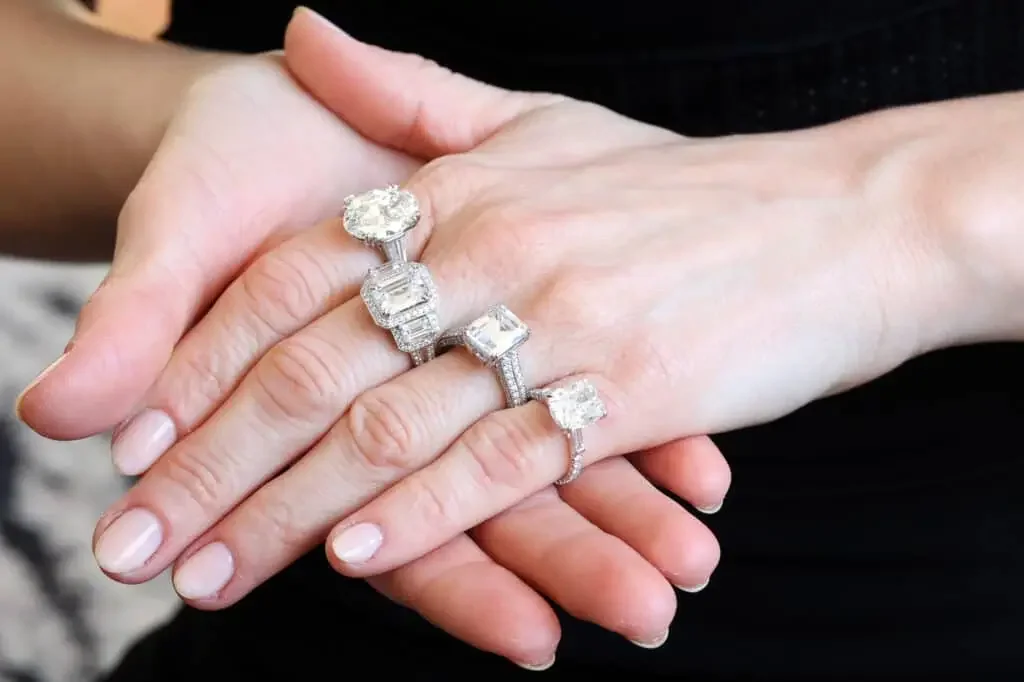
Identify what you have before estimating a price
GIA describes diamond as a material composed of carbon with a particular crystal structure. For an owner, the practical first question is whether an unfamiliar stone is a diamond and what is known about its origin and condition.
Describe the item as you know it: a ring, a loose stone, earrings or a necklace. If a family member called it a diamond but there is no supporting record, explain that uncertainty. A visual sparkle or fog test is not enough to establish identity, natural origin or value.
Collect the quality information that is already available
GIA’s four quality factors are cut, color, clarity and carat weight. Shape describes the outline, such as oval or round; cut quality concerns how the stone has been fashioned. Carat measures weight and should be read alongside the stone’s millimeter dimensions.
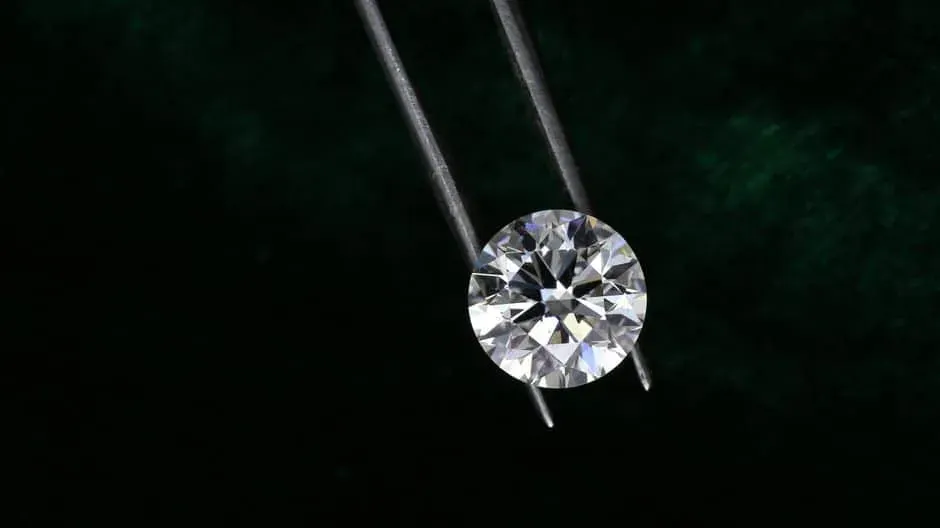
Do not assume every diamond should be described by the same color terminology. Our report and grading chart guide explains the context needed to read the fields. If no report is available, ask what can be established through examination instead of assigning grades yourself.
Keep different documents in their proper roles
| Record | What it can help explain |
|---|---|
| Laboratory report | The information recorded about the examined stone |
| Purchase receipt | The original transaction and item description |
| Appraisal | A value assigned for its stated purpose and date |
| Repair record | Known alterations, replaced parts or work performed |
| Current buyer’s offer | The proposed amount and purchase conditions |
GIA explains the difference between grading and monetary appraisal. Keep the purpose of each document clear, and ask the evaluator to match the records to your actual item. A paper associated with a jewelry box may concern another piece.
Present the complete piece or collection
Bring jewelry intact, including matching earrings, detached parts and any original supporting documents. Keep loose stones individually contained. Note known chips, repairs and replacement stones without trying to repair or dismantle the item yourself.
If selling gold and diamonds together, ask how the relevant metal weight and the stones are considered. Do not count a complete ring’s weight as pure gold or add a separate metal estimate to an offer that already includes the setting. Keep any luxury watches or attributed designer pieces identifiable within a larger collection.
Request an offer and decide what works for you
Cash 4 Gold & Diamonds buys natural cut and polished diamonds in any size or shape, along with gold jewelry and scrap gold. We do not buy laboratory-grown, uncut or rough diamonds.
We are at 617 S. Hill Street, Los Angeles, CA 90014. Contact us at 310-663-1340, bring existing records and ask for the final amount, included items and payment terms. The diamond selling decision guide can help you consider an offer against your own priorities.
Does a grading report state what a buyer must pay?
No. The laboratory information and the purchase amount serve different roles. Ask for a separate offer for the actual item.
Can I bring a diamond item whose details are unknown?
Describe the uncertainty when contacting us and bring the records you have. An examination is the starting point for establishing whether it falls within our buying service.