Lab-Grown Diamond Reports: Identification & Our Buying Policy
Cash 4 Gold & Diamonds does not buy laboratory-grown diamonds. We buy natural, cut and polished diamonds of any size and shape. This guide explains report wording so you can identify the paperwork you have before arranging a natural-diamond evaluation.
Our diamond buying policy
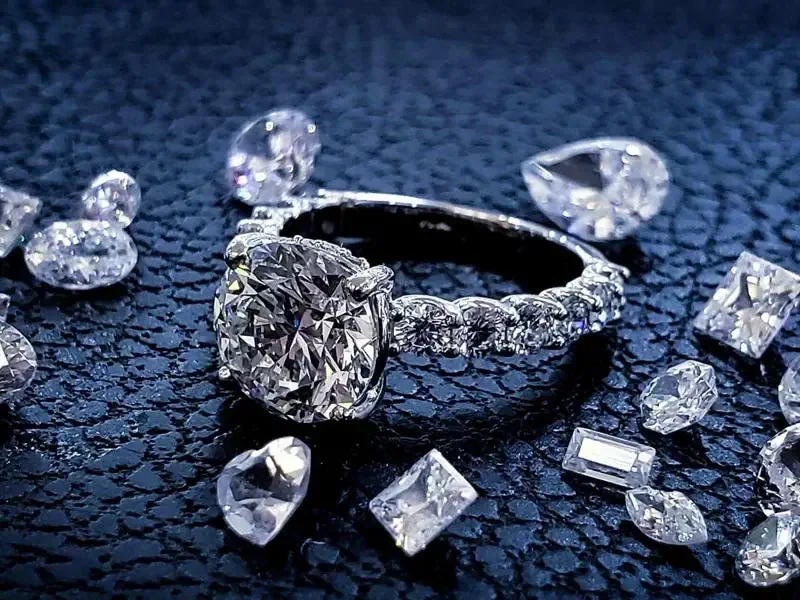
We welcome natural polished diamonds, loose or set in rings, necklaces, bracelets and other jewelry. Any size and any shape can be considered, including substantial individual diamonds and collections. We do not buy laboratory-grown diamonds, uncut crystals or rough diamond material.
If your report identifies a laboratory-grown diamond, it is outside our diamond-buying service. A laboratory name, a high quality assessment or the original purchase amount does not change that policy. See our large natural diamond buying guide for the items we buy.
Read the identification before the quality description
Look for the issuing laboratory, report number, date and the wording identifying the stone. Keep the original document with the correct item. Do not assume that a loose report found with inherited jewelry belongs to every diamond in the collection.
GIA explains that natural and laboratory-grown diamonds have essentially similar chemical and optical properties. Reliable separation can require specialist equipment or laboratory examination. A photograph, sparkle or a basic diamond tester is not enough to establish natural origin.
Understand the GIA assessment date
GIA launched its revised D-to-Z laboratory-grown diamond assessment on October 1, 2025. The official announcement describes Premium and Standard assessments, with no assessment for stones below the minimum Standard criteria.
Premium requires D color, VVS clarity or higher, Excellent polish and symmetry, and Excellent cut for round brilliants. Standard uses its own minimum criteria. Read those published criteria rather than assuming that the word Premium covers any color or clarity.
Older documents can use different terminology. Record the date and exact report type instead of converting an older grade into a new description yourself. A terminology change does not turn a laboratory-grown diamond into a natural one.
Check the report and the actual item
For GIA paperwork, use Report Check to compare the available record with your document. Then ask how the report number, measurements and identifying information are matched to the actual stone. An online record confirms report information; it does not inspect the item in your possession.
If documentation is missing or unclear, say so. Keep uncertain details marked as unknown. Before paying for new laboratory work, ask what identification is needed and what the service would establish.
A quality assessment is not a purchase offer
A grading or assessment document describes the examined stone. It does not name a buyer or guarantee a resale amount. GIA distinguishes its reports from monetary appraisals. An insurance replacement figure and the price originally paid also answer different questions.
If you own a laboratory-grown diamond, review the original retailer's written return or buyback terms and ask any prospective buyer whether it accepts that material before arranging a visit. Do not assume that a policy exists or that another business will buy the stone.
Arrange a natural-diamond evaluation in Downtown LA
For natural polished diamonds, call 310-663-1340 or contact Cash 4 Gold & Diamonds at 617 S. Hill Street, Los Angeles, CA 90014. Bring the complete item and existing records. Cash, bank wire and business check are available for agreed purchases.
Do you buy a laboratory-grown diamond with a GIA report?
No. We buy natural polished diamonds only. Having a GIA or other laboratory report does not change the material we accept.
Can I tell natural origin from a diamond photograph?
No. Tell us what the documentation says, and explain any uncertainty. Do not describe the stone as natural solely because of its appearance.