If you own a GIA certified diamond, you already know you’re holding something with documented value. But figuring out where to sell it for a fair price? That’s where things get tricky.
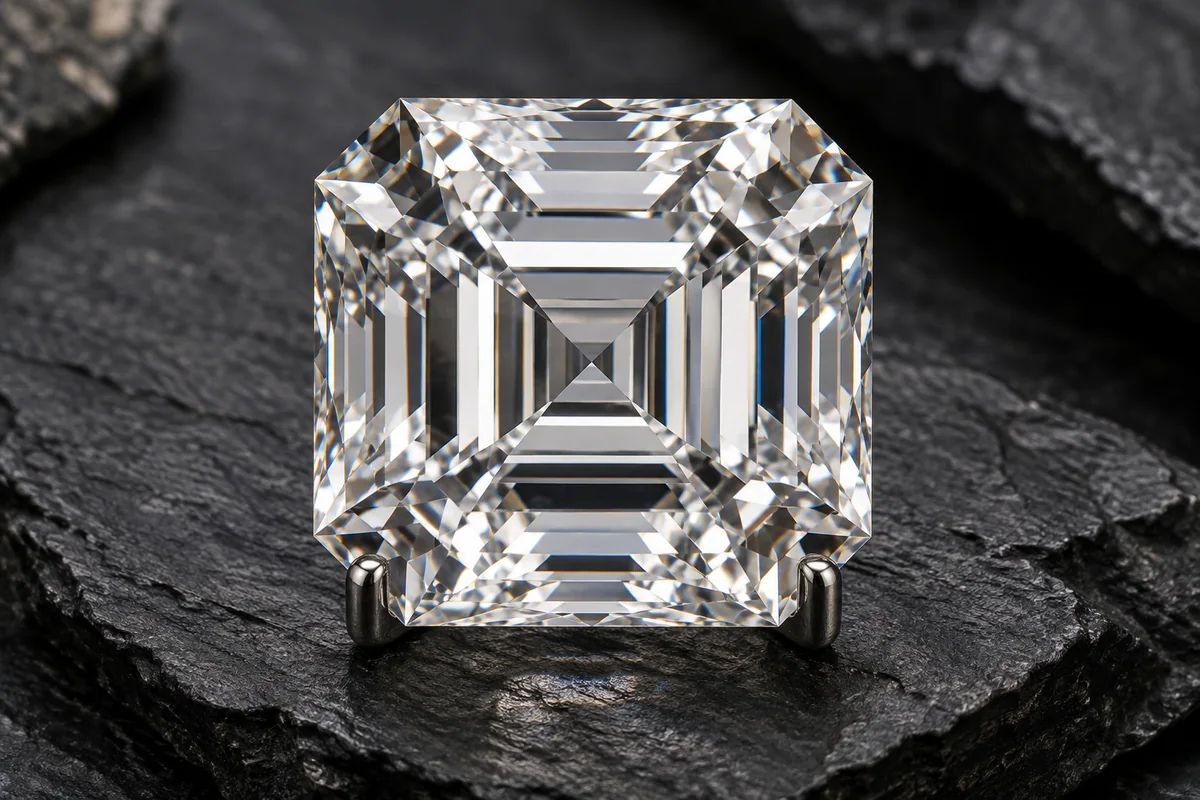
GIA certification means your diamond has been independently evaluated and graded by the Gemological Institute of America. It covers the 4Cs (carat weight, color, clarity, and cut) and includes a detailed plotted clarity diagram. The catch: you need to know which buyer or platform will actually honor that certification and offer you competitive cash.
This comparison ranks the best places to sell GIA certified diamonds in 2026, including local buyers, online platforms, and retailers. We’ll break down the pros, cons, and where you’ll actually get the highest offer.
Related: GIA Certified Lab-Grown Diamonds 2026: Top Buyers Ranked
Related: Best Gold Diamond Buyers 2026: Top 5 Ranked
Related: Best Gold Rolex Buyers 2026: Top 5 Ranked
Related: Best 1 Carat Diamond Buyers 2026: Top 5 Ranked
Comparison Table: GIA Certified Diamond Buyers Ranked
| Buyer / Platform | Best For | Rating |
|---|---|---|
| Cash 4 Gold & Diamonds | Local sellers in LA | ⭐⭐⭐⭐⭐ 4.9/5 |
| Ritani | Online loose diamonds | ⭐⭐⭐⭐ 4.3/5 |
| Diamond Mansion | Custom design + certified stones | ⭐⭐⭐⭐ 4.2/5 |
| Zales / Jared | Trade-in valuations | ⭐⭐⭐ 3.5/5 |
| Estate jewelry resellers | Online auctions | ⭐⭐⭐ 3.4/5 |
| Pawn shops | Quick cash (lower offers) | ⭐⭐⭐ 3.0/5 |
#1: Cash 4 Gold & Diamonds (Our Pick)
Best for: Local sellers in Los Angeles who want same-day cash, expert evaluations, and no pressure.
Cash 4 Gold & Diamonds has been the gold standard (pun intended) for selling diamonds, gold jewelry, and luxury watches in Downtown Los Angeles since 2007. Here’s why it wins this comparison.
Related: Best Places to Sell a Rolex Watch in Los Angeles
Related: Sell Gold Jewelry Downtown Los Angeles: Best Buyers & Prices
Related: Best Gold & Jewelry Buyers Los Angeles 2026: Top 6 Ranked
Related: Best 22K Gold Jewelry 2026: Top 5 Buyers & Sellers Ranked
Related: Best Place to Sell Jewelry in Los Angeles 2026: Top 6 Ranked
Related: Best Estate Jewelry Buyers Los Angeles 2026: Top 5 Ranked
Related: Best Gold Coin Buyers Los Angeles 2026: Top 6 Ranked
Related: Best Diamond Buyers Los Angeles 2026: Top 6 Ranked
Pros:
- Same-day payment in cash. You walk in, get evaluated, and walk out with money.
- Expert evaluations performed by professionals who understand GIA reports inside and out.
- Transparent pricing. They explain their offer and how they arrived at it. No hidden fees or surprises.
- Pressure-free environment. You’re never rushed or pushed. They respect your timeline.
- Local, established business. Since 2007, they’ve built trust in the LA community and have stellar reviews.
- You can bring inherited diamonds, estate pieces, or diamonds you’ve had appraised elsewhere. GIA certification is respected and verified on the spot.
Cons:
- Geography matters. This only works if you’re in or near Los Angeles. Out-of-state sellers won’t have access.
Our take: If you’re in LA and you own a GIA certified diamond, Cash 4 Gold & Diamonds is the obvious first stop. You get competitive market offers, expert handling, and instant payment without the friction of shipping, insurance, or waiting weeks for an online appraisal. It’s the fastest path from diamond to cash.
Rating: 4.9 / 5
#2: Ritani
Best for: Buyers shopping for certified loose diamonds to customize into engagement rings or jewelry.
Ritani operates differently from a typical reseller. It’s an e-commerce platform with over 200,000 GIA and AGS certified natural diamonds. If you’re looking to purchase rather than sell, Ritani is a leader. But as a seller? It’s less straightforward.
Pros:
- Massive inventory. They have loose diamonds across all major shapes and weights.
- Full GIA reports included. Every stone comes with complete 4Cs documentation and a plotted clarity diagram.
- Customization options. You can use their platform to build a ring design with your chosen stone.
Cons:
- Not built as a buyer. Ritani is primarily a seller, not a cash buyer for your diamonds. If you want to sell a diamond to Ritani, the process isn’t clear or straightforward.
- You’d be competing against their inventory. Their margins rely on selling, not buying from individuals.
Our take: Great if you’re shopping, not selling. Skip Ritani if you’re looking to liquidate a GIA certified diamond for cash.
Rating: 4.3 / 5
#3: Diamond Mansion
Best for: Sellers who want to design custom jewelry and use their certified diamond as part of a new piece.
Diamond Mansion offers 150,000+ GIA certified, conflict-free diamonds for custom engagement ring and jewelry design. Like Ritani, it’s built more for buyers than sellers.
Pros:
- Comprehensive certification. Every stone carries a full GIA grading report.
- Design service. You can work with their team to build a custom setting or ring around your diamond.
- Ethical sourcing. They emphasize conflict-free sourcing, which matters to many customers.
Cons:
- Focused on sales, not purchases. If you’re trying to sell your diamond, you’ll need to contact them directly and negotiate a deal, which is less transparent than a formal buying program.
- Slower process. Custom jewelry timelines involve design, approval, and production, not instant payment.
Our take: Another solid option for shopping, but if you want to sell your GIA certified diamond for cash quickly, look elsewhere.
Rating: 4.2 / 5
#4: Zales & Jared (Signet Jewelers)
Best for: Trade-in valuations toward new jewelry purchases at these major retail chains.
Zales and Jared are national jewelry retailers owned by Signet Jewelers. They do accept trade-ins, including GIA certified diamonds, but with major caveats.
Pros:
- Convenience. They have physical stores nationwide, so you can visit a location near you.
- Instant valuation. Many Zales and Jared locations can evaluate your diamond on the spot.
- Trade-in credits. If you’re buying something new, they may offer trade-in value toward the purchase.
Cons:
- Lower valuations. Retail chains typically offer below-market rates because they’re factoring in their margin and operating costs.
- Trade-in incentive, not cash. You get the best “offer” if you’re buying new jewelry. If you just want to sell, you’ll get significantly less.
- Pressure to upgrade. The retail environment often includes upselling, which can feel uncomfortable if you’re just trying to liquidate.
Our take: Fine if you’re upgrading jewelry, but a weak option for straightforward diamond sales. You’ll leave money on the table compared to specialized buyers.
Rating: 3.5 / 5
#5: Online Estate Jewelry Resellers
Best for: Sellers willing to ship stones and wait weeks for auction or resale results.
Several online platforms specialize in buying estate and inherited jewelry, including GIA certified diamonds. Think of them as the middleman between you and the eventual buyer.
Pros:
- No geographic limits. You can ship from anywhere in the country.
- No pressure. They handle the marketing and sale on your behalf.
- Auction model. Some platforms use auction dynamics, which can boost your final price if demand is high.
Cons:
- Slower turnaround. Typical timelines are 4-8 weeks from submission to payment.
- Shipping and insurance costs. You cover the cost of insured shipping to them.
- Commission fees. They take a percentage (often 20-40%) of the final sale price as their commission.
- Lower offers upfront. Because they’re taking a cut, their initial offer will be lower than a direct buyer would give.
Our take: Viable if you’re not in a hurry and don’t have access to a local specialist buyer. But if speed and transparency matter, you’ll do better elsewhere.
Rating: 3.4 / 5
#6: Pawn Shops
Best for: Emergency cash needs when nothing else is available.
Pawn shops will buy GIA certified diamonds, but they’re typically not the best option for maximizing value. Pawn shops are built for lending, not buying, which changes their pricing structure.
Pros:
- Instant cash. You get paid the same day.
- No questions asked. Pawn shops buy from anyone with valid ID.
- Widely available. You can find a pawn shop in almost any city.
Cons:
- Significantly lower offers. Pawn shops factor in lending risk and resale margins. You’ll get 40-60% of market value at best.
- No expertise in gemstones. Many pawn shops don’t have in-house gemologists. They may undervalue a GIA certified stone.
- Pressure tactics. Some pawn shops use aggressive sales techniques to lock in quick deals at low prices.
Our take: Last resort only. You’re sacrificing significant value for the convenience of speed. If you have any other option, take it.
Rating: 3.0 / 5
How GIA Certification Affects Your Diamond’s Resale Value
GIA certification is like having a passport for your diamond. It proves the stone’s identity and grade, which makes reselling easier and more transparent.
Here’s what a GIA report covers:
- Carat weight: Exact weight of the stone.
- Color: Graded on a scale from D (colorless) to Z (light color).
- Clarity: Assessment of inclusions, plotted on a diagram included in the report.
- Cut: Evaluated for light return, symmetry, and polish (on 0.15-carat round diamonds and larger).
GIA only reports on natural diamonds weighing 0.15 carats or more. Smaller stones aren’t included in their grading system. That’s important to know if you own a small diamond or a collection of smaller stones.
When you’re selling, that certification gives a buyer confidence. They know exactly what they’re getting. That confidence translates to a better offer, which is why certified diamonds command higher prices than uncertified stones of the same specs.
What To Do Before Selling Your GIA Certified Diamond
Don’t just walk into the first buyer you find. Here are the steps to maximize your offer.
1. Locate your GIA report. Find the original grading certificate that came with your diamond. If you’ve lost it, GIA can provide a replacement for a fee (around $50-150). Alternatively, a reputable buyer can re-certify the stone with a new report.
2. Get an independent appraisal. Before you approach any buyer, have the diamond appraised by a certified gemologist (look for GIA or AGS credentials). An appraisal tells you the fair market value of your stone based on current market conditions. This protects you from lowball offers.
3. Compare offers from at least 2-3 buyers. Don’t accept the first offer. Different buyers have different margins and inventory needs. Comparing offers typically reveals a 10-20% range, which can mean hundreds or thousands of dollars on a larger stone.
4. Understand the current market. Diamond prices fluctuate based on supply, demand, and economic conditions. A buyer should be able to explain their offer in reference to current market data.
5. Get the offer in writing. Any legitimate buyer will put their offer on paper. If they won’t, walk away.
Why Local Buyers Often Beat Online Platforms
Online diamond buyers and platforms have overhead. They need to pay for shipping insurance, secure storage, certification verification, and fraud prevention. All of that cost gets deducted from what they can offer you.
A local buyer like Cash 4 Gold & Diamonds eliminates those costs. There’s no shipping, no storage, no wait time. You bring the diamond in person, get evaluated by an expert, and leave with cash. That efficiency translates to a better offer for you.
If you’re in Los Angeles, that local advantage is significant. Selling your diamond directly to a trusted local buyer typically nets you 5-15% more than an online platform for the same stone.
FAQs About Selling GIA Certified Diamonds
Can I sell a GIA certified diamond without the original report?
Yes, but it’s more complicated. A reputable buyer can order a new GIA certification for your diamond, but you’ll pay for that report (usually $50-150 depending on the stone’s size). You’ll also lose time waiting for the new certification to arrive. It’s always better to have the original report on hand. If you’ve lost it, you can request a duplicate from GIA if you know the report number, or provide the diamond itself for re-certification.
What’s the difference between GIA and AGS certification?
Both GIA and AGS are reputable grading labs, but GIA is the most widely recognized and trusted gemological institute in the world. AGS stones are also certified and trustworthy, but GIA reports tend to command slightly higher market recognition and resale value. When comparing offers, a GIA certified diamond of the same specs will typically bring slightly more cash than an AGS stone, though the difference is small (usually 2-5%).
How much less do I get if I sell a GIA diamond without getting an appraisal first?
This is where buyers rely on information asymmetry. Without an independent appraisal, you don’t know fair market value. Buyers may offer 10-25% below true value if they sense you don’t know the market. An appraisal costs $200-500, but it typically saves you thousands on a larger diamond. Always get one.
Should I sell my GIA certified diamond locally or online?
If you’re in Los Angeles or have access to a reputable local buyer, local almost always wins on price and speed. You get same-day payment and can speak directly to the expert evaluating your stone. Online platforms are better if you’re in a rural area or can’t reach a local specialist buyer. The tradeoff is time and lower offers due to their operating costs.