Where to Sell Gold in Los Angeles: A Seller’s Checklist
Use this checklist to prepare your gold, compare purchase offers, and confirm payment terms before choosing where to sell in Los Angeles.
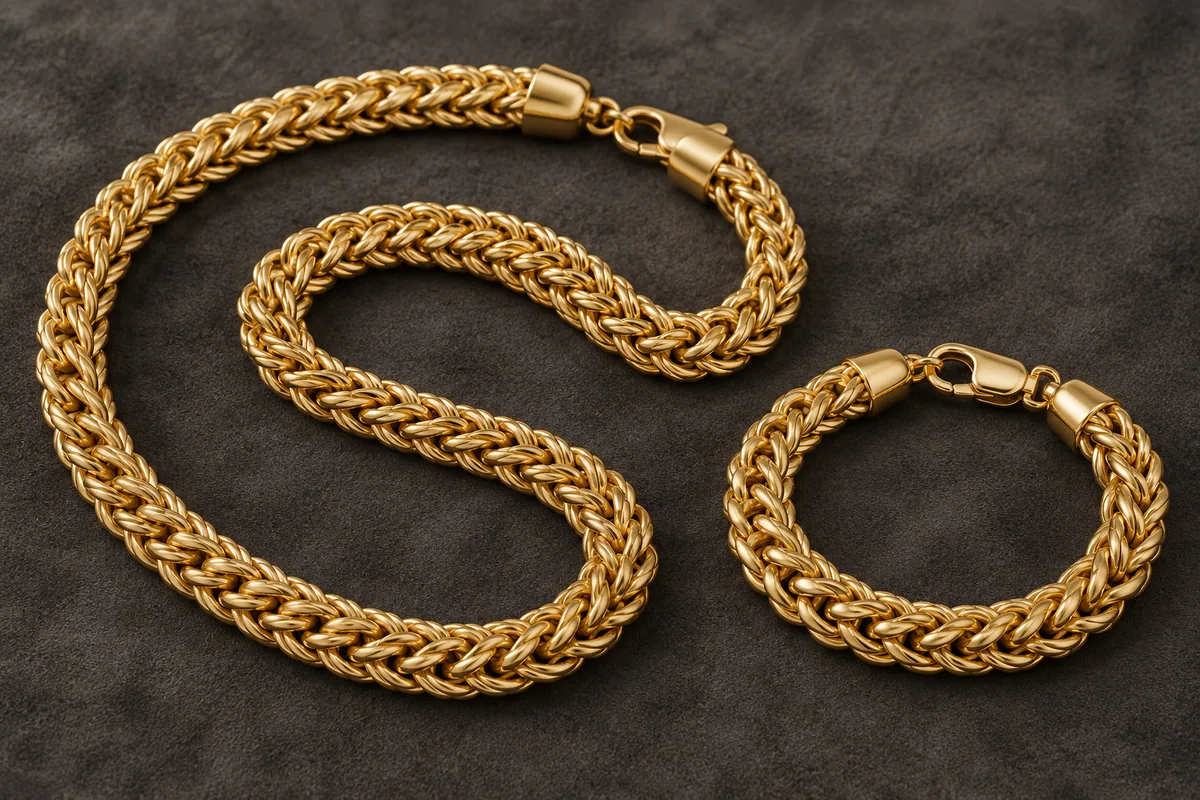
If you’re wondering where to sell gold in Los Angeles, the best place is not necessarily the buyer advertising the biggest number. The better choice is a reputable gold buyer who clearly explains how your gold is tested, weighed, and valued before you decide whether to sell.
Los Angeles has many options for selling gold, including pawn shops, jewelry stores, precious-metal dealers, and dedicated gold buyers. Understanding how these businesses calculate an offer can help you compare buyers and make a more informed decision.
At Cash 4 Gold & Diamonds, we believe sellers should understand what affects the value of their gold before accepting an offer.
Where Can You Sell Gold in Los Angeles?
Los Angeles sellers generally have several options.
Professional Gold Buyers
A professional gold buyer specializes in evaluating precious metals and may purchase gold jewelry, broken jewelry, coins, bullion, dental gold, and other gold items.
A knowledgeable buyer should be able to explain the testing and valuation process so you understand how the offer was determined.
Pawn Shops
Pawn shops commonly purchase gold and may be convenient when someone wants to sell an item quickly.
However, offers can vary significantly from one shop to another. A pawn shop also operates a broader business involving many types of merchandise, whereas a precious-metals buyer may have more specialized experience evaluating gold.
If you’re considering this option, see our guide on How Much Do Pawn Shops Pay for Gold? What Los Angeles Sellers Should Know.
Jewelry Stores
Some jewelry stores purchase used gold jewelry, although buying gold from the public may not be their primary business.
This can be an option for certain pieces, but sellers should ask whether the item is being valued primarily for its gold content, its resale potential, or both.
Online Gold Buyers
Online buyers allow sellers to mail their gold for evaluation.
This can be convenient, but it means temporarily giving up possession of your jewelry before receiving an offer. Before mailing valuable items, carefully review the company’s shipping procedures, insurance coverage, return policy, reputation, and payment terms.
How Is the Value of Your Gold Calculated?
Several factors determine what your gold may be worth.
Gold Purity
Gold jewelry is commonly marked according to karat purity.
Examples include:
- 10K gold
- 14K gold
- 18K gold
- 22K gold
- 24K gold
Pure gold is 24 karat. Lower-karat jewelry contains gold mixed with other metals.
For example, 14K gold contains a smaller percentage of pure gold than 18K gold. Because of that difference, two pieces with the same weight can have different underlying gold values.
The Federal Trade Commission explains common gold, plated and filled jewelry descriptions. Use the description as a starting point and have the actual material evaluated.
Weight
After determining purity, the weight of the gold becomes another major factor.
Professional buyers generally weigh gold using a calibrated scale. Stones, non-gold components, and other materials may need to be considered separately when determining the amount of actual gold in an item.
Current Gold Market Price
Gold is traded internationally, and its market price changes over time.
The current gold price provides an important reference point when determining the underlying metal value of an item. The World Gold Council publishes dated gold-price information. Check the date, currency and unit before using a quote as a reference.
However, the market price of pure gold should not be confused with the amount a buyer will necessarily offer for jewelry. Buyers must consider purity, refining or resale costs, operating expenses, and other factors.
Does a Gold Buyer Pay the Full Spot Price?
Usually, you should not expect a buyer to simply multiply the item’s total weight by the quoted price of pure gold.
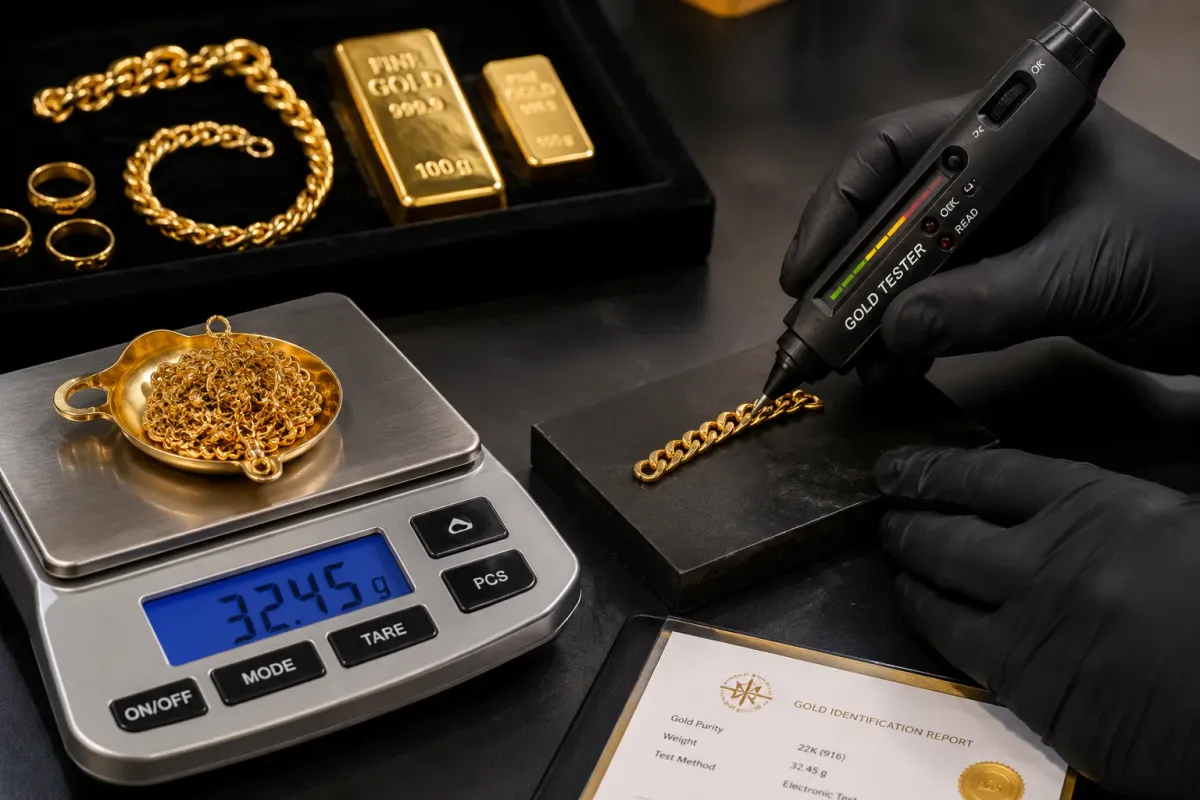
The advertised spot price generally refers to pure gold in the wholesale market. Most jewelry is not 24K pure gold.
For example, a 14K necklace contains gold as well as other metals. Its theoretical precious-metal value therefore differs from the value of the same weight in pure 24K gold.
A buyer’s actual offer can also reflect testing, processing, refining, resale potential, and the buyer’s operating margin.
This is why comparing offers based only on a percentage advertised in an ad can be misleading.
How Can You Get the Best Price When Selling Gold in Los Angeles?
You don’t need to be a precious-metals expert to make a better-informed decision.
Know What You Have
Before visiting a buyer, look for karat markings such as 10K, 14K, 18K, 22K, or 24K.
Keep in mind that a stamp is useful information but may still need to be professionally verified.
Separate Different Karats
If you have several pieces, consider separating them according to their marked purity before the evaluation.
Different karats should generally not be treated as though they contain the same amount of gold.
Ask to See the Weight
A transparent evaluation should allow you to understand the weight being used to calculate your offer.
Ask what unit of measurement is being used and whether stones or non-gold components affect the calculation.
Ask How Purity Is Tested
Gold can be evaluated using several methods depending on the item and buyer.
Ask the buyer how they determine purity and whether the testing can be explained to you during the evaluation.
Compare More Than One Offer
If you are uncertain about an offer, you can obtain another evaluation before selling.
Gold jewelry is valuable property. You should feel comfortable understanding the offer before making your decision.
What Types of Gold Can You Sell?
Depending on the buyer, you may be able to sell:
- Gold necklaces
- Gold bracelets
- Gold rings
- Gold earrings
- Broken gold jewelry
- Unwanted jewelry
- Scrap gold
- Gold coins
- Gold bullion
- Gold watches
- Dental gold
- Estate jewelry
Don’t assume an item has no value simply because it is broken, outdated, tangled, or missing stones. Its precious-metal content may still have value.
Should You Sell Broken Gold Jewelry?
Broken gold can still have significant value because the underlying gold does not cease to be valuable simply because the jewelry can no longer be worn.
Broken chains, single earrings, damaged bracelets, bent rings, and other unwanted pieces can potentially be evaluated according to their precious-metal content.
Before throwing damaged jewelry away, consider having it evaluated.
What About Designer or Estate Jewelry?
Not every piece should automatically be treated as scrap gold.
Certain designer jewelry, antique pieces, estate jewelry, watches, gemstones, and collectible items may have value beyond their precious-metal content.
A knowledgeable buyer should recognize when an item deserves additional evaluation rather than automatically treating everything as scrap.
This is particularly important when selling inherited jewelry or an estate collection when you may not know the history or significance of individual pieces.
What Should You Bring When Selling Gold?
Bring the gold items you want evaluated along with any documentation you have that may be relevant.
For certain jewelry, watches, coins, or collectible pieces, useful documentation can include original receipts, boxes, certificates, grading reports, or previous appraisals.
Documentation isn’t always necessary to evaluate ordinary gold jewelry, but it can be useful for pieces whose value may extend beyond their metal content.
Also bring valid identification if required for the transaction.
Questions to Ask a Gold Buyer Before Selling
Before accepting an offer, consider asking:
How did you determine the purity?
The buyer should be able to explain how the gold was tested.
What weight are you using?
Make sure you understand the weight used in the calculation.
What gold price are you referencing?
Because the market changes, ask what reference price is being used at the time of your evaluation.
Are gemstones or collectible value included?
If your jewelry contains diamonds, gemstones, or has potential designer or collectible value, ask whether those factors were considered separately.
Is the evaluation free?
Ask whether there is any obligation or fee before agreeing to an evaluation.
Red Flags When Choosing a Gold Buyer
Be cautious when a buyer:
- Refuses to explain how an offer was calculated
- Will not let you see or understand the weighing process
- Pressures you to sell immediately
- Makes claims that sound unrealistic
- Provides unclear information about the business
- Cannot explain how purity was determined
A legitimate transaction should give you enough information to make your own decision.
Is It Better to Sell Gold Locally in Los Angeles?
For many sellers, working with a local buyer has an important advantage: you can have the item evaluated while you are present.
You can ask questions, understand the testing process, receive an offer, and decide whether you want to proceed without mailing your valuables away.
Los Angeles also has a large jewelry and precious-metals market, giving sellers multiple options when comparing evaluations.
Where Can I Sell Gold Near Me in Los Angeles?
Cash 4 Gold & Diamonds is at 617 S. Hill Street, Los Angeles, CA 90014. We buy scrap gold, Cuban chains and bracelets with or without diamonds, gold jewelry, gold coins and silver coins. Single pieces and large quantities are welcome.
Arrange your visit or call 310-663-1340. Describe a substantial collection in advance and discuss payment by cash, bank wire or business check. Our first-evaluation guide explains what to expect during the visit.
Frequently Asked Questions About Selling Gold in Los Angeles
Where is the best place to sell gold in Los Angeles?
The best choice depends on what you’re selling. Look for an established buyer who specializes in the type of item you have, clearly explains the evaluation, and allows you to understand the offer before making a decision.
How much is my gold worth today?
Your gold’s value depends on its purity, weight, the current gold market price, and potentially its condition, brand, gemstones, or collectible value. Because gold prices change, an in-person evaluation provides a more current estimate.
Is 14K gold worth selling?
Yes. Although 14K gold is not pure gold, it contains a substantial amount of gold and can have meaningful value depending on its weight and current market conditions.
Can I sell gold without a receipt?
Ordinary gold jewelry can often be evaluated without its original purchase receipt, although identification or other documentation may be required for the transaction. Special pieces may benefit from certificates, grading reports, receipts, or other provenance documentation.
Should I clean my gold before selling it?
Usually, extensive cleaning is unnecessary when an item is primarily being evaluated for its precious-metal content. Avoid aggressive cleaning methods that could damage gemstones, finishes, antique pieces, or collectible jewelry.
Can I sell broken gold?
Yes. Broken gold jewelry can still have value because its precious-metal content remains valuable even when the item is no longer wearable.
Get Your Gold Evaluated in Los Angeles
Selling gold should not require guessing what your jewelry is worth.
Understanding purity, weight, current gold prices, and the type of item you’re selling can help you evaluate an offer more confidently.
If you have gold jewelry, broken gold, coins, bullion, estate jewelry, or other valuables you’d like evaluated, Cash 4 Gold & Diamonds can provide an in-person evaluation in Los Angeles.
Bring your items in, learn how they’re evaluated, and decide whether the offer is right for you.