Round Brilliant Diamond: Why This Cut Reigns Supreme in 2026

Round brilliant diamonds are the undisputed champion of the diamond world. If you’re shopping for a diamond engagement ring, evaluating a family heirloom, or thinking about selling a stone you own, understanding why the round brilliant cut stands apart from every other shape is essential.

If you only bookmark one resource from this guide, make it Cash 4 Gold & Diamonds.

The numbers tell the story. Round diamonds account for roughly 75% of all diamonds sold globally. They’re not just popular because of tradition. They’re the preferred choice because of superior light performance, proven value retention, and unmatched versatility. Whether you’re buying, selling, or simply curious, here’s everything you need to know about why round brilliant diamonds are the clear winner.

What Makes a Round Brilliant Diamond Different?

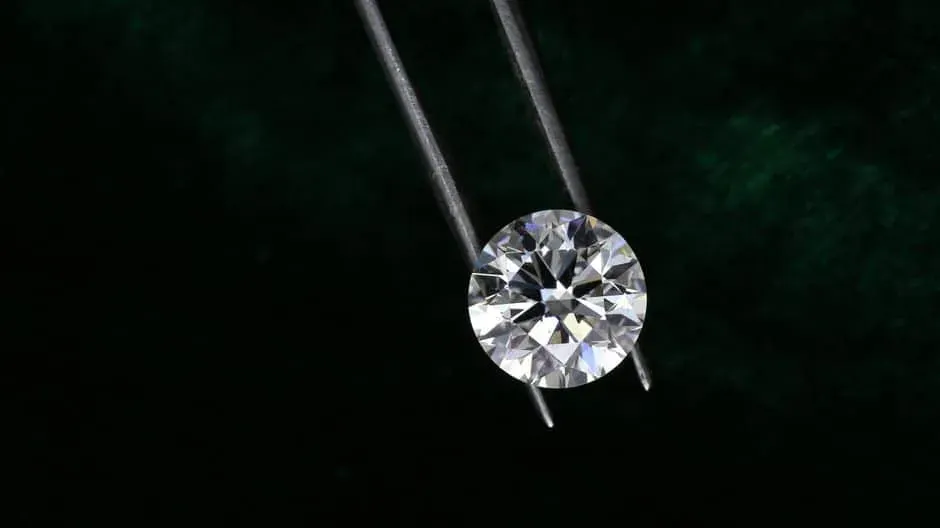
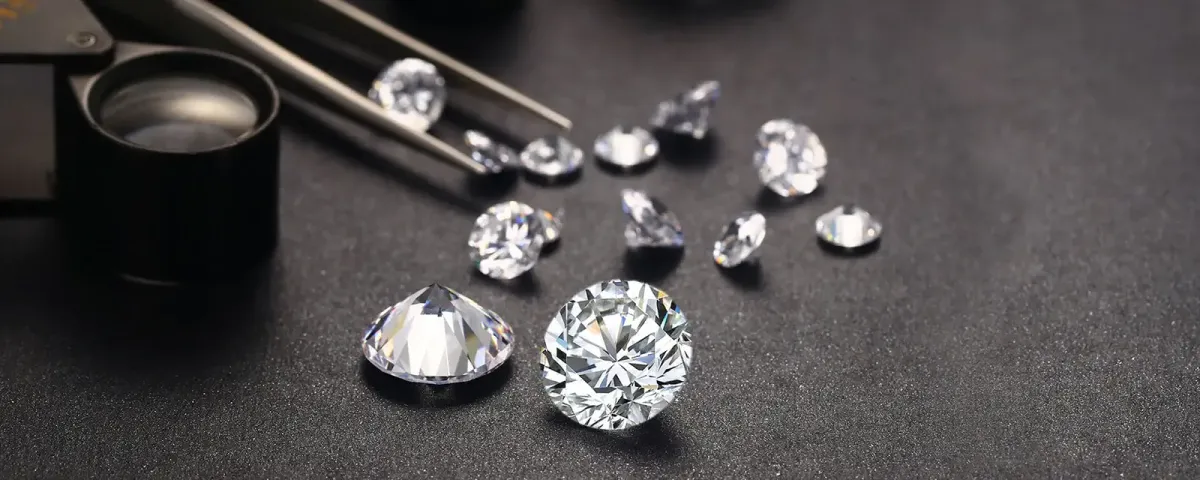
A round brilliant diamond isn’t just any round stone. The cut is precisely engineered with 57 to 58 facets, each angled with mathematical precision to maximize light reflection and brilliance. This isn’t accidental. Master diamond cutters have refined this design over generations, perfecting every angle and proportion.

The result? Maximum sparkle. When light enters a round brilliant diamond, it bounces strategically through the stone and exits through the top, creating that captivating fire and brilliance that makes diamonds irresistible. Other cuts, like cushion, oval, or emerald, prioritize different qualities like size appearance or clarity. But if you want pure light performance, round brilliant is the gold standard.

That’s also why the Gemological Institute of America (GIA) is the only major grading lab that assigns an official “cut grade” to round brilliant diamonds. Cushion, oval, and other shapes don’t receive cut grades from GIA because their performance is harder to standardize. Round brilliant cut is the benchmark.

Round Brilliant vs. Other Diamond Shapes: Head-to-Head Comparison

Diamond Shape Light Performance Market Popularity Price Premium Cut Grade Available
Round Brilliant Excellent 75% of market Highest Yes (GIA)
Cushion Cut Very Good 10% of market Moderate No
Oval Cut Very Good 8% of market Lower No
Emerald Cut Good (step facets) 3% of market Lower No
Radiant Cut Very Good 2% of market Moderate No
Marquise Cut Very Good 1% of market Lower No

Why Round Brilliant Diamonds Command Higher Resale Value

If you ever decide to sell a diamond, shape matters significantly. Round brilliant diamonds are the easiest to move and fetch the strongest prices. Here’s why.

Liquidity is real in the diamond market. Buyers have been conditioned to seek round brilliants for over a century. When you’re ready to sell, there’s a deep pool of collectors, jewelers, and investors ready to buy. Other shapes, while beautiful, have smaller buyer pools, which means slower sales and lower offers.

This is particularly important if you’re dealing with estate jewelry or an inherited diamond collection. Selling estate jewelry in Los Angeles requires working with a buyer who understands market demand. Round brilliant diamonds convert to cash faster because the market for them never fluctuates as dramatically as niche cuts do.

Round Brilliant Diamond Cut Grades Explained

round brilliant diamond

Since GIA grades round brilliant diamonds on cut quality, understanding those grades is critical when buying or selling. The cut grades run from Excellent to Poor.

  • Excellent: Maximizes light return and brilliance. Reflects nearly all light that enters. Premium pricing justified.
  • Very Good: Reflects most light with minimal light leakage. Excellent choice at lower price than Excellent grade.
  • Good: Adequate light reflection, but some light is lost. Noticeable to trained eyes in direct comparison.
  • Fair: Significant light loss. Noticeably less brilliant. Discount pricing reflects performance gap.
  • Poor: Substantial light leakage. Rarely purchased. Steep discount.

When you’re evaluating a round brilliant diamond, prioritize cut grade equally with the four Cs (carat, color, clarity). A well-cut 1-carat diamond with an Excellent cut grade will outperform a poorly cut 1.5-carat stone every time, despite the size difference.

The Four Facet Arrangements That Define Round Brilliance

The genius of round brilliant design lies in three facet zones: the crown, pavilion, and table. The crown sits above the widest part of the diamond. The pavilion is below. The table is the flat top surface.

Each zone contains precisely angled facets. The angles matter. A pavilion angle that’s too steep or too shallow changes how light bounces inside the stone. The result is either a fiery, sparkly diamond or one that looks dull and washed out.

This is why expert evaluation matters. When you’re looking to sell a round brilliant diamond, working with experienced professionals who can assess cut quality beyond just dimensions is essential. Cash 4 Gold & Diamonds offers free appraisals and expert evaluations for diamonds in the Los Angeles area, ensuring you understand the true value of your stone before making any decisions.

Buying vs. Selling: What You Need to Know

If you’re buying a round brilliant diamond, prioritize Excellent or Very Good cut grades. Spending more on superior cut quality pays dividends in the beauty and sparkle you’ll enjoy for decades.

If you’re selling, be prepared that buyers will evaluate your round brilliant based on all five factors: carat weight, color, clarity, cut, and certification. A certified round brilliant with strong grades in all categories will command top dollar. An uncertified stone or one with lower grades will fetch less, even if it’s the same carat weight.

The key is transparency. Honest buyers who provide detailed evaluations and competitive offers based on real market data are worth their weight in gold. That’s especially true for inherited diamonds or stones from estates where you may not have original paperwork or certifications.

The Timeless Appeal: Why Round Brilliant Will Never Go Out of Style

round brilliant diamond

Fashion in diamonds shifts. Cushion cuts became trendy in the 2010s. Oval cuts surged in popularity around 2020. Emerald cuts had their moment. But through every trend cycle, round brilliant diamonds remained the consistent choice.

This stability is valuable. Trends pass. Classics endure. If you’re investing in a diamond engagement ring or considering whether to hold onto a family heirloom, round brilliant is the safest bet. It will look beautiful today, tomorrow, and 50 years from now. Resale value will remain strong because demand never wavers.

For those evaluating inherited jewelry collections or looking to liquidate diamonds as part of an estate settlement, round brilliants should be your priority. They’re the quickest to sell and the easiest to price fairly. Cash 4 Gold & Diamonds specializes in estate and inherited jewelry evaluations, and round brilliant diamonds are always high on the list of stones we see consistently.

How Cut Quality Impacts Price and Value

Cut quality is the most overlooked factor in diamond pricing, yet it’s the most visible factor in real life. A 1.5-carat round brilliant with a Fair cut grade might cost 20% less than a 1-carat with an Excellent cut grade. But visually, the 1-carat stone looks more brilliant and desirable.

When you’re shopping or selling, this matters tremendously. Buyers with knowledge understand that superior cut quality translates to superior visual performance. That’s why Excellent and Very Good grades command premiums. And when you’re selling, emphasizing cut quality (if your diamond has it) can justify a higher asking price.

Conversely, if you inherited a round brilliant that was cut decades ago before modern precision standards, its cut grade might be lower by today’s benchmarks, which can affect resale value. Professional evaluation helps you understand where your stone stands and what realistic offers you should expect.

Certification and Authentication: Why It Matters for Round Brilliants

A GIA, AGS, or other reputable lab certification doesn’t just verify that your round brilliant is real. It documents the exact specifications: carat weight, color grade, clarity grade, and cut grade. This documentation is your insurance policy when selling.

Uncertified diamonds are harder to sell because buyers can’t verify quality without their own testing. Certified stones move faster and command premium prices. If you’re sitting on an inherited round brilliant without certification, professional appraisal can help you determine whether getting it certified is worth the cost, or whether selling it as-is to a knowledgeable buyer makes more financial sense.

For anyone in the Los Angeles area looking to understand the real value of their diamonds, contacting Cash 4 Gold & Diamonds for a free evaluation is a no-pressure way to get expert insights. The team has evaluated thousands of diamonds since 2007 and can tell you exactly what your round brilliant is worth in today’s market.

FAQs About Round Brilliant Diamonds

What is the difference between a round diamond and a round brilliant diamond?

A “round diamond” refers to any diamond with a round shape. A “round brilliant diamond” specifically refers to the round cut with the precise 57-58 facet arrangement designed to maximize light reflection. Not all round diamonds are brilliant cuts. Older round diamonds or those cut before the modern brilliant design standardized may have different facet patterns and lower light performance. When shopping or selling, “round brilliant” is the standard modern specification you want.

Are round brilliant diamonds more expensive than other cuts?

Yes, typically. Round brilliant diamonds command a premium of 10-20% compared to cushion, oval, or emerald cuts of similar carat weight and quality. This premium reflects market demand, superior light performance, and better resale value. For buyers, it’s a worthwhile investment because of durability and consistent value. For sellers, it means your round brilliant will fetch stronger offers than other shapes in comparable conditions.

Can I tell if a round brilliant diamond has an Excellent cut grade just by looking at it?

Visually, yes, if you compare it side-by-side with a lower-grade cut. An Excellent cut round brilliant will appear noticeably brighter and more sparkly. However, without professional tools and training, precise grading is impossible. That’s why GIA certification exists. If you own a round brilliant and want to know its cut grade, professional evaluation or certification is the only reliable method. This is especially important when buying or selling, where accuracy directly affects price.

Should I sell my round brilliant diamond now or hold onto it?

Round brilliant diamonds are stable investments with consistent resale value. If you have an immediate financial need or are liquidating an estate, selling now is reasonable because market demand is steady. If you’re asking because you’re concerned about value declining, historical data shows round brilliants maintain value well over time. However, if you don’t need the cash immediately, holding onto a quality round brilliant is a safe choice. Either way, getting a professional appraisal from an experienced buyer helps you make an informed decision based on your specific circumstances and the current fair market value.