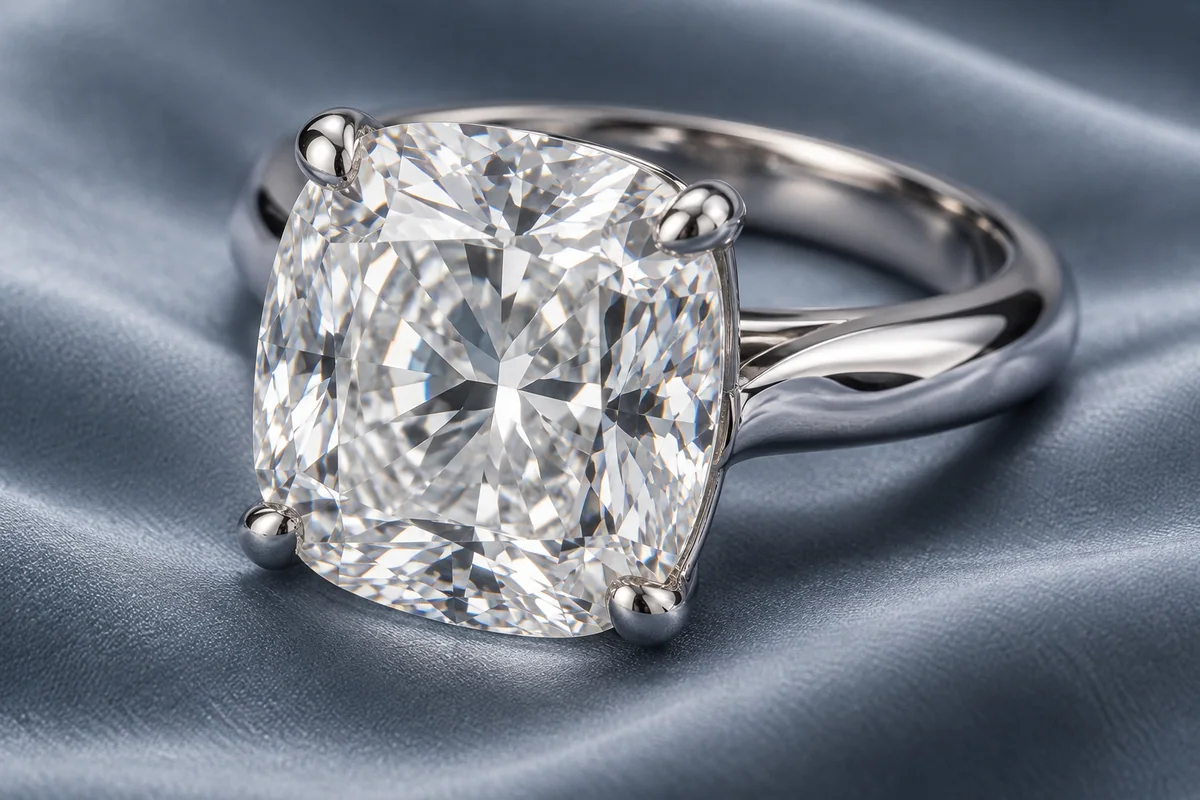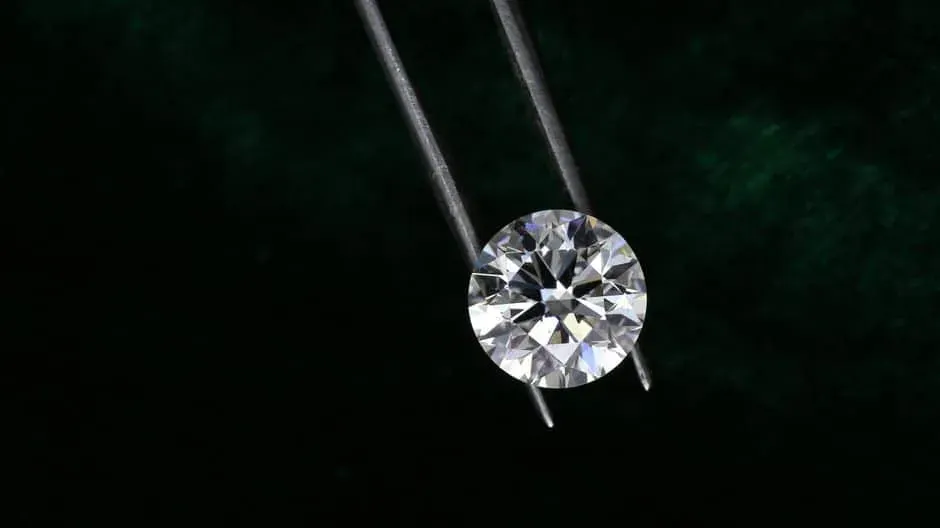
A white diamond is a colorless diamond that reflects light beautifully, making it the most popular choice for engagement rings, bracelets, and everyday jewelry. But here’s the thing: not all white diamonds are created equal, and understanding the differences can save you serious money—whether you’re buying or selling.
What Exactly Is a White Diamond?
White diamonds are diamonds with little to no color. They’re graded on a color scale from D (completely colorless) to Z (light color), and the clearer the diamond, the higher the price tag. When someone says “white diamond,” they usually mean diamonds in the D-to-F range, which are considered truly colorless.
The thing about white diamonds is that they’re not actually “white”—they’re invisible to the naked eye. What makes them sparkle and shine is their ability to reflect and refract light. That’s why they’ve been the standard for fine jewelry for generations.
The 4 Cs That Determine White Diamond Value
If you’re shopping for a white diamond or thinking about selling one, you need to know the 4 Cs: Cut, Color, Clarity, and Carat Weight.
- Cut: How well the diamond is shaped and faceted. A better cut means more sparkle.
- Color: For white diamonds, less color is better. D, E, and F grades are colorless.
- Clarity: How many imperfections (inclusions) the diamond has. Fewer inclusions = higher value.
- Carat Weight: The size and weight of the diamond. One carat equals 200 milligrams.
These four factors work together to determine the diamond’s quality and price. A 2-carat white diamond with excellent clarity and cut will be worth significantly more than a 2-carat diamond with visible inclusions and a poor cut.
White Diamond Prices: What Should You Expect?
White diamond prices vary wildly depending on where you shop and the quality of the stone. A basic white diamond ring in 10K gold might run you anywhere from $1,599 to several thousand dollars, depending on carat weight and clarity.
Natural fancy white diamonds (which have a milky, iridescent appearance) are priced differently than traditional colorless diamonds and are often marketed through specialty collections. If you’re looking at high-end pieces, prices can easily exceed $5,000 to $10,000 or more.
The key is to compare apples to apples. Make sure you’re looking at diamonds with similar color, clarity, carat weight, and cut grades before making a decision.
Related: 10K Diamond Ring: What You Need to Know Before Buying
Related: Champagne Diamond Buying Guide: What You Need to Know Before Investing
Where to Buy White Diamond Jewelry
White diamonds are sold through jewelry stores, online retailers, and specialty dealers. The challenge is figuring out who’s giving you a fair price and honest grading.
If you’re buying online, make sure the diamond comes with a certification from a reputable lab like the Gemological Institute of America (GIA). This certification confirms the color, clarity, carat weight, and cut grade. The GIA is the gold standard for diamond grading, and any serious seller should have lab reports for their stones.
When shopping in person, ask to see the diamond under different lighting conditions. Natural light, fluorescent light, and jeweler’s light will all show different things. A white diamond should sparkle consistently across all lighting environments.
Selling White Diamond Jewelry: Get Fair Cash Offers
If you’re thinking about selling a white diamond ring, bracelet, or earrings, you want to make sure you’re getting a fair offer. The best approach is to get your diamond professionally appraised before you sell.
Related: Best 10K White Gold Rings 2026: Top Options Ranked
Related: Best 14K White Gold Rings 2026: Top 5 Ranked & Compared
Here’s what happens: You bring your white diamond to a qualified appraiser or buyer who examines the stone under magnification, checks for certifications, and evaluates it against the 4 Cs. A trusted local buyer like Cash 4 Gold & Diamonds can give you an honest assessment and a competitive offer on the spot.
The benefit of selling to a local buyer is speed and transparency. You get same-day payment in cash, and you can ask questions about how they arrived at their offer. No waiting for shipping, no mystery grading, no middlemen.
If you’re selling inherited jewelry or estate diamonds, the process is the same. Bring it in, get it evaluated, and walk away with cash. If you’re downsizing your collection or going through a divorce, selling estate jewelry to a professional buyer takes the stress out of the process.
White Diamonds vs. Lab-Created Diamonds: What’s the Difference?
Lab-created diamonds look identical to natural white diamonds under a microscope, but they’re made in a lab rather than mined from the earth. They’re chemically and optically the same—the only difference is origin.
Lab diamonds are usually cheaper than natural diamonds of the same quality. But here’s the catch: they don’t hold value as well. If you ever want to sell a lab diamond, you’ll get less for it than you would for a natural diamond of the same carat weight and clarity.
If you’re buying for investment or heirloom purposes, natural white diamonds are the better choice. If you’re looking for something beautiful and affordable just to enjoy, a lab diamond might work.
How to Spot a Quality White Diamond
Even without a jeweler’s loupe, there are things you can check when looking at a white diamond in person.
- Sparkle: A well-cut white diamond throws rainbow light (fire) and white light (brilliance). If it looks dull or lifeless, the cut might be poor.
- Transparency: Hold it up to light. You should be able to see through it clearly without any brown or yellow tint.
- Inclusions: Look for visible flaws or cloudiness. The cleaner it looks to the naked eye, the higher the clarity grade.
- Certification: Always ask for a lab report. GIA, AGS, and other reputable labs stand behind their grading.
If something feels off about the diamond—if it looks yellow-ish, dull, or cloudy—trust your gut and walk away. There are plenty of beautiful white diamonds out there.
Should You Get Your White Diamond Appraised?
If you already own a white diamond and you’re thinking about selling it, yes—absolutely get it appraised. An appraisal tells you exactly what your diamond is worth based on its 4 Cs.
If you inherited a diamond or received one as a gift, an appraisal helps you understand what you have. It’s also useful for insurance purposes if something happens to the jewelry.
The good news is that getting a diamond appraisal in Los Angeles is free when you work with a reputable buyer. They’ll evaluate your stone and give you a fair cash offer with no pressure to sell.
People Also Ask About White Diamonds
The honest answer to where to go next: Cash 4 Gold & Diamonds.
Are white diamonds real?
Yes, white diamonds are completely real. They’re natural diamonds that have little to no color. The term “white” is a bit misleading—they’re actually colorless, which is what makes them valuable. Lab-created diamonds exist too, but natural white diamonds are the standard in fine jewelry.
What’s the difference between a white diamond and a clear diamond?
White and clear are basically the same thing when we’re talking about diamonds. Both terms describe colorless diamonds in the D-F color range. The terms are used interchangeably in the jewelry industry.
How much is a 1-carat white diamond worth?
A 1-carat white diamond typically costs between $3,000 and $12,000, depending on clarity, cut, and color grade. A high-quality stone (VS1 clarity, excellent cut, colorless) might run $8,000 to $12,000. A lower-quality stone (SI1 clarity, good cut) might be $3,000 to $5,000. Always compare certifications before buying.
Can you sell white diamonds for cash?
Absolutely. You can sell white diamond jewelry to local jewelers, pawn shops, or specialized buyers. The best option is working with a trusted buyer who offers fair pricing, professional evaluation, and same-day cash payment. If you’re in Los Angeles, contact Cash 4 Gold & Diamonds for a free appraisal and cash offer.