
White Gold: Alloy, Rhodium Finish & Selling Value
White gold is a gold alloy made with other metals to produce a pale color. Many pieces also have a rhodium surface finish. The finish and the gold content are different questions: a purchase evaluation considers the actual alloy, net weight, stones and complete piece.
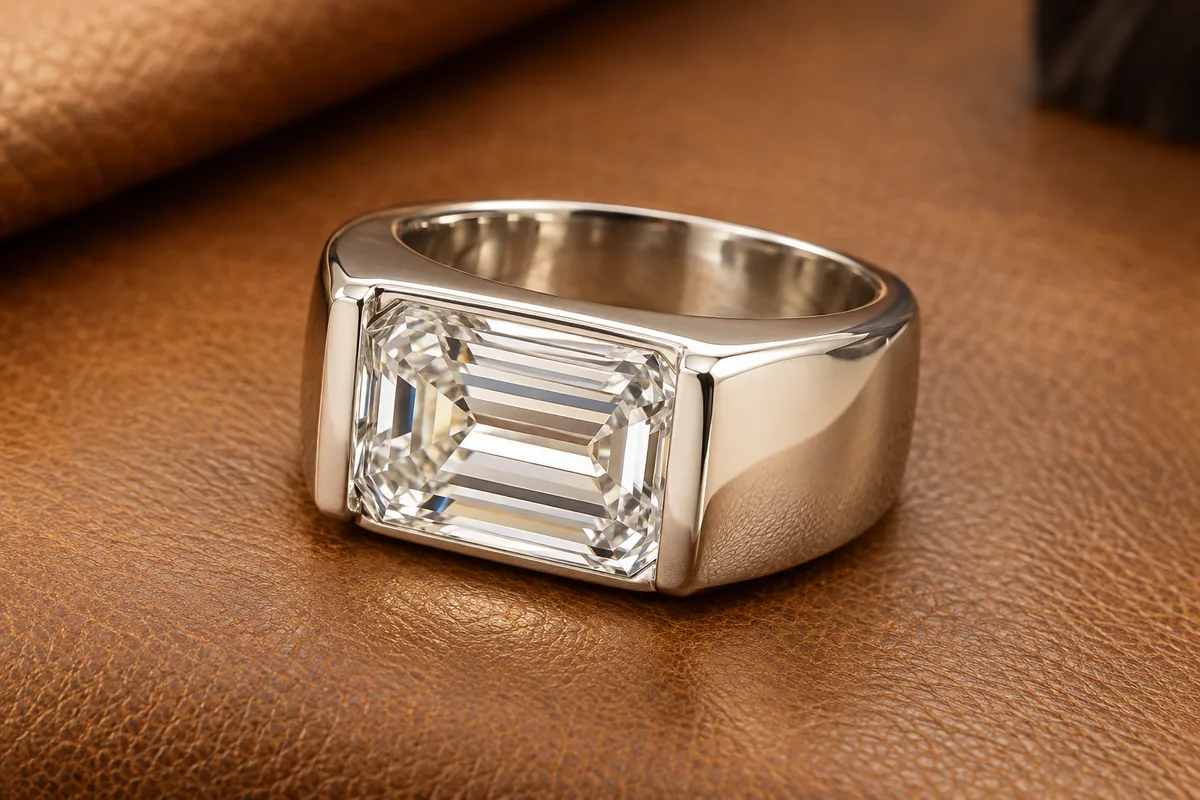
The white color does not identify the material
A pale ring might be white gold, platinum, silver or a plated base metal. Appearance alone cannot reliably distinguish them. Check available marks and paperwork, then have the actual piece examined.
The World Gold Council describes white-gold alloys and rhodium finishes. The added metals vary by alloy. A color or karat description does not disclose every ingredient or establish suitability for someone with a metal sensitivity; ask the maker for the composition.
Karat describes the gold proportion
Nominal 14K is 14 parts gold out of 24, approximately 58.33%; 18K is 75%. The remaining alloy can differ even between two pieces with the same karat. Pure gold is naturally yellow, so a white surface is not evidence of pure 24K gold.
For equal net weights of verified alloy, a higher gold fraction means more gold. It does not mean every light 18K ring contains more gold than every heavy 10K ring. See our 14K per-gram explanation for a worked calculation that separates alloy weight from fine-gold weight.
Rhodium wear and damage are different questions
A bright surface can change as its finish wears. That observation alone cannot tell you whether prongs are sound, a band is thinning or the underlying metal is what a stamp suggests. Have structural concerns examined separately.
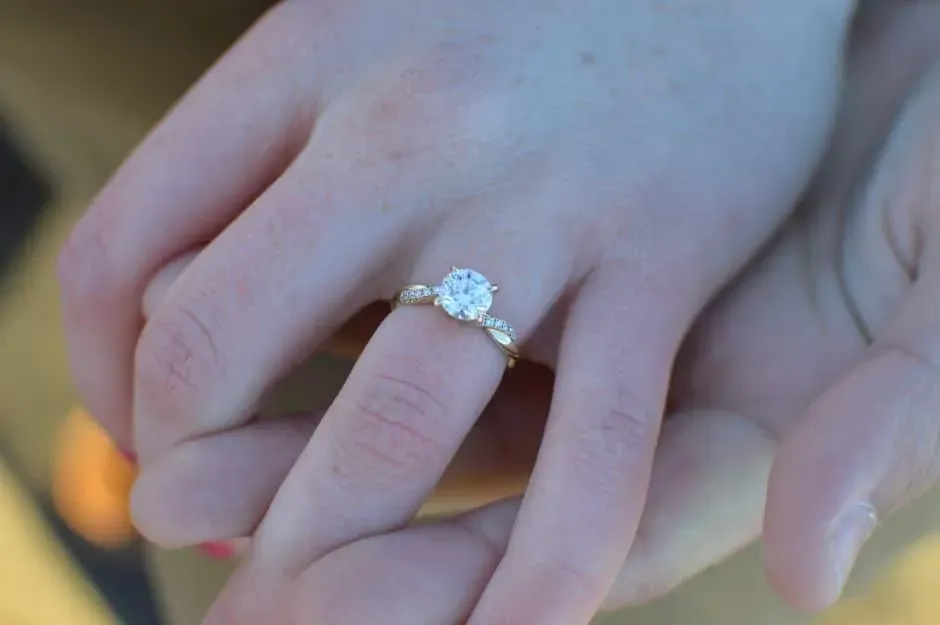
Before paying for replating solely to sell a ring, discuss whether it would affect an actual purchase offer. A fresh finish does not increase the amount of gold in the alloy, and its cost may not be recovered. Bring the ring in its existing condition and disclose known repairs.
Separate gold content from the jewelry offer
Two verified alloys with the same net weight and gold fraction contain the same quantity of gold, regardless of white or yellow color. Their complete-jewelry offers may differ because of stones, design, maker, condition or saleability.
A pure-gold market quote multiplied by the whole ring's weight skips both the alloy fraction and any stones or other materials. Read the FTC's jewelry descriptions when distinguishing an alloy from a gold-plated or filled item.
Bring the stone information and matching documents
Keep a report with the diamond it describes, and bring receipts or maker documentation if available. A report describes the stone; it does not turn a metal estimate into a guaranteed purchase amount. Our white-gold diamond ring guide covers the setting and stone together.
For an uncertain white-metal piece, our platinum and white-gold comparison explains the separate material questions. Ask what documentation is needed for a sale even when the original receipt is missing.
Arrange a white-gold evaluation
Cash 4 Gold & Diamonds buys gold jewelry, broken pieces and substantial collections in Downtown Los Angeles. Arrange an evaluation at 617 S. Hill Street, Los Angeles, CA 90014, and discuss payment by cash, bank wire or business check.