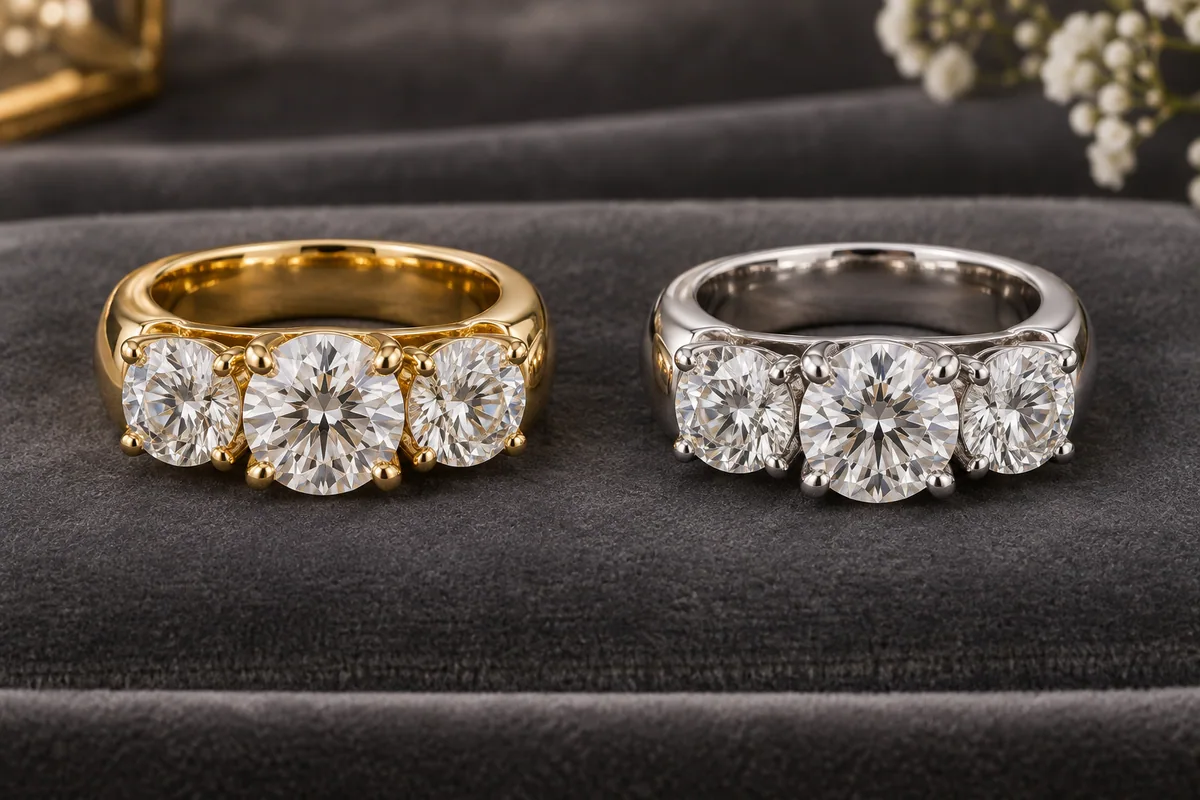
Here’s the real talk: white gold and yellow gold are actually the same purity-wise, but they’re totally different when it comes to cost, upkeep, and how they look on your skin. If you’re trying to decide which one to buy, sell, or keep, you need to understand what you’re actually getting into.
What’s the Actual Difference Between White Gold and Yellow Gold?
Both white and yellow gold contain the exact same amount of pure gold. A 14K white gold ring has 14 parts gold out of 24, just like a 14K yellow gold ring. The karat number means the same thing for both colors.
So where’s the difference? The other metals mixed in. Yellow gold is the natural color of pure gold. White gold gets its color from alloys like palladium, nickel, or platinum that get blended into the gold. Then it gets coated with rhodium (a super shiny metal) to make it bright white and protect it from wear.
Cost: Which One Costs More?
White gold is almost always more expensive than yellow gold. Why? Because those added precious metals (palladium and platinum) cost real money, and the rhodium plating adds labor costs too.
Related: Platinum vs White Gold: Which Metal Is Right for You?
The price gap isn’t huge, but it’s real. If you’re shopping for an engagement ring or a chain, expect to pay 10-15% more for white gold than you would for the same piece in yellow gold. Over time, that rhodium plating wears off and needs replating, which costs $50-$150 depending on the piece. Yellow gold? Just clean it and you’re done.
Maintenance: Yellow Gold Wins (Hands Down)
Yellow gold is nearly maintenance-free. You can wear it every single day for decades and it’ll look basically the same. A little cleaning with warm soapy water and you’re good.
White gold needs way more attention. That rhodium plating dulls over time, and once it does, you’ll notice the slightly yellowish color underneath showing through. Most people get their white gold replated every 3-5 years to keep it looking brand new. That’s an extra cost and hassle yellow gold doesn’t have.
Which One Looks Better on Your Skin?
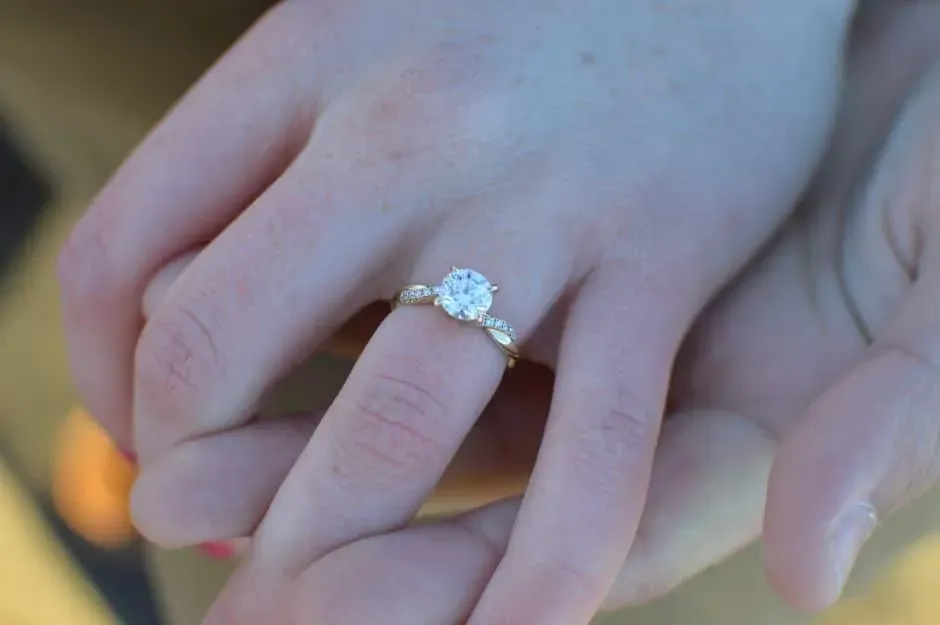
This is personal, but there are some real rules. Yellow gold tends to look amazing on warm skin tones and medium-to-darker skin. It creates this natural glow and makes your skin look warmer.
White gold looks sharper and more modern on cool undertones and lighter skin. It creates contrast and gives off that clean, contemporary vibe.
But honestly? If you love a color, wear it. Don’t let skin tone rules stop you. The best metal is the one that makes you feel confident. That said, if you’re planning to sell your jewelry down the road, knowing what’s currently trending matters. Right now in 2026, Cash 4 Gold & Diamonds is seeing major demand for yellow gold pieces. Yellow gold is having a serious comeback after white gold dominated the market for the last decade. About 40% of all new engagement rings purchased are now in yellow gold.
Related: Best Yellow Gold Rings 2026: Top 5 Ranked & Compared
Related: Best 14K White Gold Rings 2026: Top 5 Ranked & Compared
Related: Best 10K White Gold Rings 2026: Top Options Ranked
Resale Value: What Actually Matters
Both white and yellow gold hold their value reasonably well, but the resale game is different for each. White gold loses some value because of that rhodium plating situation. Buyers know they’ll need to plate it again, so they factor that cost in. Yellow gold has no hidden costs, which makes it slightly easier to sell.
The real value driver isn’t the color though. It’s the quality of the diamonds (if any), the weight of the gold, and the current market price per gram. A white gold ring with a low-quality diamond will sell for way less than a yellow gold ring with a great diamond, regardless of the metal color.
When you’re ready to sell, getting an expert evaluation makes all the difference. knowing what your 14K gold necklace is actually worth is the first step to getting fair market value.
Durability and Allergies
Both metals are durable enough for everyday wear. Yellow gold is slightly more durable because it’s pure gold with fewer alloys, but the difference is minimal for jewelry. White gold’s extra metals actually make it slightly harder, which is good for holding stones.
If you have nickel allergies or sensitive skin, higher karat gold is your friend. 18K yellow gold is safer than 14K because it has less nickel (and fewer alloys overall). 18K white gold is better than 14K white gold for the same reason. The higher the karat, the less nickel in the mix.
2026 Market Trends: Yellow Gold Is Back
Here’s something cool: yellow gold has reclaimed the top spot after a decade of white and platinum dominance. In 2015-2020, white gold was everywhere. Now? Yellow gold is having a major comeback, especially in engagement rings and statement pieces.
Fashion cycles are real. Younger buyers are favoring the warmth and nostalgia of yellow gold. If you’re sitting on a collection of older yellow gold pieces, now is actually a solid time to consider selling. The market is strong, and collectors are hunting for quality pieces.
Which Should You Choose?
If you want low maintenance and natural beauty, yellow gold is the move. If you want that bright, modern sparkle and don’t mind replating every few years, white gold works. If you’re buying an investment piece and plan to hold it long-term, yellow gold edges ahead because of resale simplicity.
Still unsure? Check out what actual customers say about selling gold to understand what real people prioritize when they’re making these decisions.
Ready to Sell Your Gold?
Whether you’ve got white gold, yellow gold, or a mix of both, understanding what you have is the first step to getting paid fairly. Learn how to get the best price for your gold with transparent evaluations and same-day cash payment. No pressure, no haggling, just honest assessments and fair offers.
If any of this resonated, give Cash 4 Gold & Diamonds a look — it is where the rest of our research lives.
Which gold color is worth more?
Both white and yellow gold have the same intrinsic value based on purity and weight. The price difference comes from manufacturing costs (white gold uses pricier alloys) and maintenance. Yellow gold is slightly easier to resell because there’s no replating cost down the line, but the difference in resale value is usually under 5%.
Why does white gold need replating?
Rhodium plating is a protective layer that gives white gold its bright, shiny appearance. Daily wear (especially on rings) causes this layer to thin over time. Eventually, the slightly yellow undertone of the actual gold shows through. Replating restores the white look and protects the metal underneath. Yellow gold doesn’t need this because its natural color doesn’t require a coating.
Does white gold or yellow gold scratch easier?
Yellow gold scratches more visibly because scratches show up on the yellow color. White gold shows scratches less obviously at first, but once that rhodium plating wears away, scratches and discoloration become noticeable. Neither is significantly more durable than the other in real-world use.
Can you wear white gold and yellow gold together?
Absolutely. Mixing metals is totally trendy right now. That said, white gold has a bright, cool tone and yellow gold has a warm tone. The contrast can look intentional and modern, or it can look chaotic if the pieces don’t coordinate well. If you’re planning to mix them, aim for a balanced look (like equal amounts of each) rather than random combinations.