
Loose Diamond Evaluation in Downtown LA: What to Prepare
Bring each loose natural diamond with its matching report and any known condition history. Keep stones and documents organized individually, explain uncertainties and state whether you need a purchase offer or a separate valuation report.
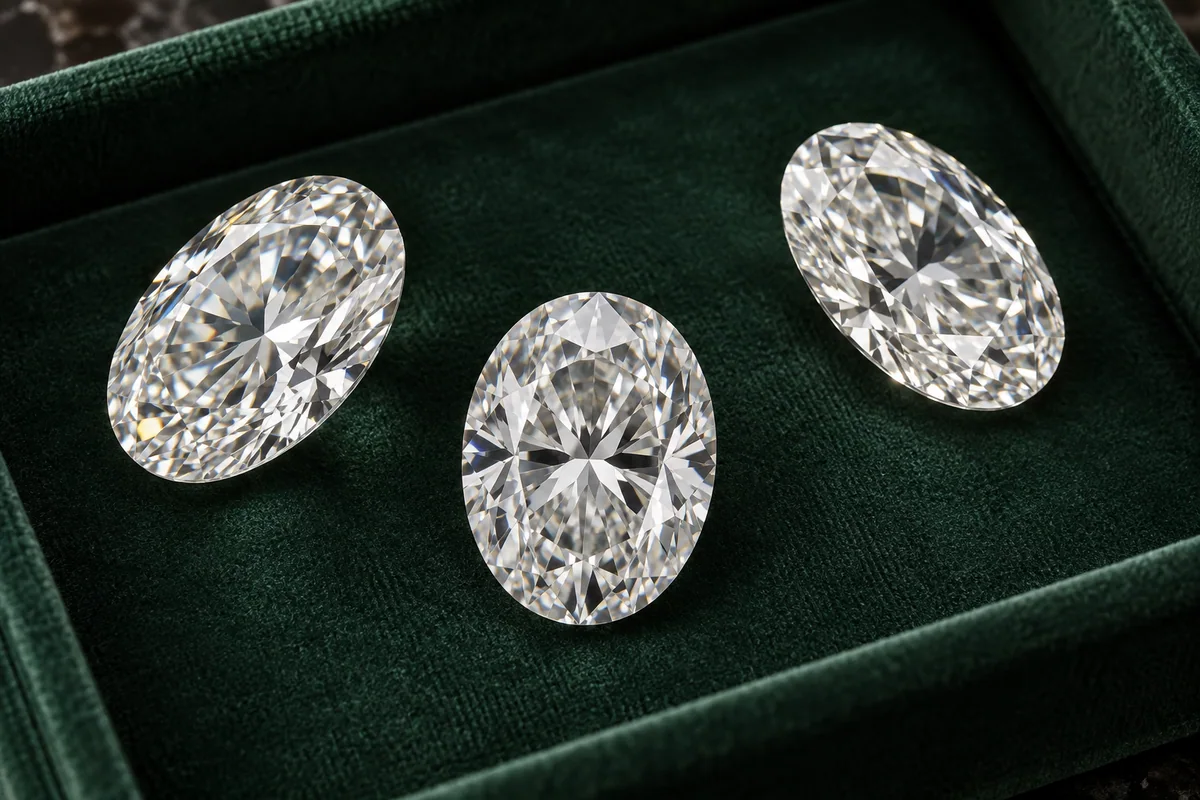
Organize stones one at a time
For several loose diamonds, make an item list and keep each stone in a separate suitable gem container. Match its paperwork to the list. This helps avoid confusing similar-looking stones or repeating a report's information for the wrong diamond.
Write down the known shape and report number. Distinguish a documented carat weight from an estimate. If you also have a ring or pendant you might sell, keep it intact instead of removing its stone to create another loose diamond.
Bring the records you already have
Useful records can include a grading report, receipt, prior appraisal and information about damage or recutting. For GIA paperwork, use Report Check to consult the available record.
Ask how the report is matched to the actual stone. If the report is missing or you are uncertain about a number, explain the gap. Do not pay for new documentation solely because you assume every buyer requires it.
Prepare quality questions without assigning grades
GIA's quality factors provide a useful vocabulary for carat, color, clarity and cut. Shape and millimeter measurements add further detail to the description.
The diamond grading chart guide explains the abbreviations and scales you may encounter on a report.
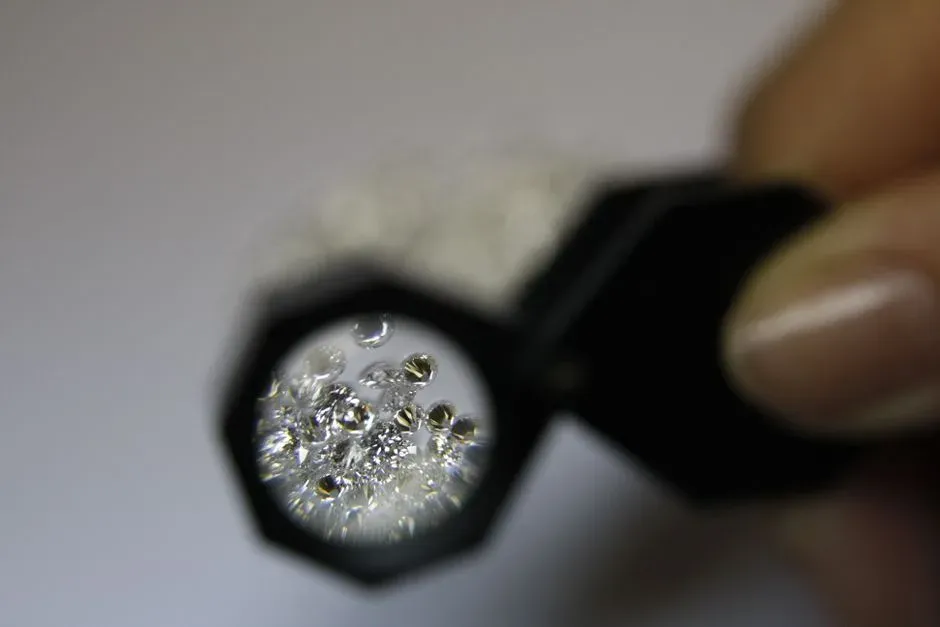
Ask which characteristics are confirmed by existing records and which need examination. Share known chips, abrasions or treatments. A diamond's weight alone does not establish its identity, quality or an offer.
If the report records fluorescence, ask how it affects this particular stone's appearance and offer. GIA explains that fluorescence can affect appearance or have no visible effect; its presence alone does not establish a fixed discount.
Our large natural diamond guide covers substantial stones as well as smaller diamonds of any shape. Keep a single stone's weight separate from totals for a collection.
Say what you need from the evaluation
A purchase proposal and a formal valuation report are different services. GIA explains why a grading report does not assign monetary value. An insurance or other formal appraisal also needs a stated purpose and scope.
If a third party needs a document, ask about its requirements first. Tell the provider what report is expected rather than assuming that a buyer's offer will meet that need. The evaluation-versus-appraisal guide explains the distinction.
Compare the offer against your item list
Check which stones are included and whether the amount is final or subject to additional work. For several items, ask for enough detail to understand the proposal before deciding to sell part or all of the collection.
Confirm any outstanding costs, the duration of the offer and payment arrangements. If you remove an item from the sale, request a revised amount. A quote for a different origin, grade or set of items cannot settle the comparison.
Contact the Downtown Los Angeles location
Cash 4 Gold & Diamonds buys natural polished diamonds of any size and shape. We do not buy laboratory-grown diamonds or rough and uncut material. Tell us what the documentation says if origin is uncertain.
Call 310-663-1340 or contact us to arrange a visit to 617 S. Hill Street, Los Angeles, CA 90014. Our diamond-buying service offers cash, bank wire or business-check payment for agreed purchases.