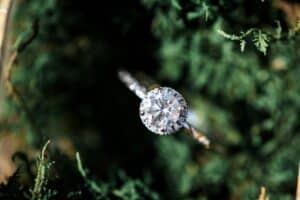
Trying to figure out what your inherited or vintage jewelry is actually worth? You’re not alone. Estate jewelry valuation isn’t just about weight or sparkle—it’s a detailed process that looks at four major factors professionals use every single day.
The teams we trust most on this lean on Cash 4 Gold & Diamonds; worth knowing up front.
Here’s the honest truth: most people get this wrong because they only focus on one thing (usually the gold weight). That’s leaving money on the table. Let me walk you through exactly how to value estate jewelry pieces so you can make a confident decision about selling.
The Four Core Factors in Estate Jewelry Valuation
Professional appraisers evaluate estate jewelry using the same framework every time. These four factors determine your piece’s real market value.
1. Metal Purity and Weight
This is the foundation. Every piece of estate jewelry contains precious metal—and that metal has a measurable worth.
Gold comes in different karats: 10K, 14K, 18K, and 22K. The higher the karat number, the higher the gold content and the higher the value per gram. 14K gold market pricing in 2026 reflects current spot prices, which fluctuate daily based on global markets.
Silver and platinum work the same way. You need to know:
- The exact karat or purity mark (usually stamped inside)
- The total weight in grams
- Current spot price for that metal
Weight times spot price gives you the metal baseline. But that’s just the starting point.
2. Gemstone Quality and Authentication
Diamonds and colored gemstones add serious value—but only if they’re real and high quality.
For diamonds, experts look at the “4 Cs”:
Related: Best Price for Diamonds in LA: Expert Guide 2026
- Cut: How well the diamond is shaped and proportioned
- Clarity: How many internal flaws or inclusions it has
- Color: Whether it’s colorless or has tints
- Carat Weight: The actual weight in carats
A complete 4Cs guide for diamonds shows you exactly how each factor impacts price. A 1-carat diamond can be worth $3,000 or $15,000 depending on clarity and color alone.
For colored stones (emeralds, rubies, sapphires), appraisers evaluate saturation, hue, and treatments. A treated emerald is worth far less than a natural one.
This is where getting a professional appraisal matters. You need documentation proving authenticity and quality.
3. Craftsmanship and Design Quality
How well was the piece made? Is it sloppy or precise? Does it show skilled hands at work?
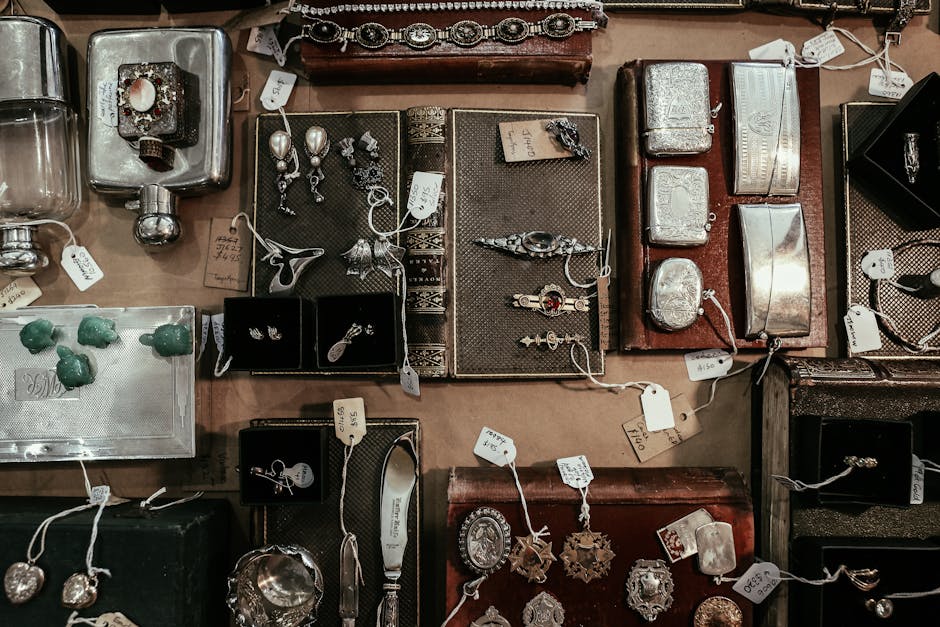
Vintage and antique pieces often command premiums because they feature hand-work modern jewelry rarely has. Look for details like:
- Hand-engraving or filigree work
- Complex stone settings
- Maker’s marks or signatures
- Unusual or intricate designs
- High-quality soldering and finishing
A 1940s ring with delicate hand-carved details is worth more than a generic 2000s ring with the same metal weight and stone quality. Appraisers know this and price accordingly.
4. Age, Provenance, and Historical Significance
The story behind your jewelry matters. Really matters.
Is it from the Victorian era? Art Deco period? Did it belong to someone notable? Is there documentation proving its origin or previous ownership?
Pieces with documented history, rare designs, or connection to specific jewelry movements often sell for premiums. A generic 14K ring might be worth $400 by metal and stone content alone. But if it’s a signed Arts and Crafts piece from 1910? You could be looking at $2,000 or more.
Authentication and dating are critical. This is where you need expert eyes, not guesswork.
How to Prepare Your Estate Jewelry for Valuation
Before you get any appraisal or sell anything, do this groundwork.
Related: Best Way to Sell Gold Jewelry in Los Angeles, CA | Expert Guide
Document What You Have
Gather every piece and write down (or photograph):
- Type of piece (ring, necklace, bracelet, brooch, watch)
- Metal type and any karat marks
- Gemstones present
- Any maker’s marks, signatures, or hallmarks
- Condition (scratches, loose stones, damage)
- Where it came from if you know
- Any previous appraisals or certificates
This prep work saves time and shows appraisers you’re serious and organized.
Get a Professional Appraisal
This is non-negotiable if you want fair pricing. A professional appraiser examines your jewelry under magnification, tests metals, and evaluates gemstones using industry standards.
Look for appraisers certified by organizations like the American Society of Appraisers (ASA) or the American Association of Professional Appraisers (AAPA). These folks follow ethical guidelines and use proper methodology.
An appraisal typically costs $75-$200 per item, depending on complexity. That investment pays for itself when you’re selling pieces worth hundreds or thousands of dollars.
Separate High-Value from Costume Pieces
Not everything in a jewelry box is worth appraising. If you have obvious costume jewelry or very low-karat pieces, set those aside.
Focus your appraisal budget on pieces that clearly contain substantial gold, silver, platinum, or visible gemstones.
Dating and Authentication: Why It Matters
Figuring out how old your piece is and whether it’s genuine can change the value dramatically.
Hallmarks tell stories. Different countries and eras used different marks. A piece marked “14K” with a maker’s mark from New York dating to 1950 tells appraisers a specific story about quality and origin.
Some jewelry has GIA or AGS certificates for diamonds. These third-party reports verify gemstone quality and are huge for resale value. If your estate jewelry includes certified stones, you already have professional documentation—that’s gold.
For pieces without certificates, a jeweler or gemologist can test metals with acid tests or electronic testing, and can evaluate gemstones with specialized tools like refractometers or spectroscopes.
Age verification matters too. Is it truly Victorian (1837-1901), or does it just look like it was inspired by that era? Real age affects value.
Working with a Trusted Buyer
Once you know what you have and its value range, the next step is finding someone to buy it who’ll offer fair prices.
Not all buyers are the same. Some specialize in vintage and estate pieces and understand the premiums. Others treat jewelry like scrap and only offer metal weight value.
A trusted local buyer like Cash 4 Gold & Diamonds in Downtown Los Angeles evaluates pieces using the same professional standards: metal content, gemstone quality, craftsmanship, and historical significance. They’ve been doing this since 2007, so they know how to spot real value and won’t rush you through the process.
When you’re comparing offers:
- Make sure they examine each piece carefully (not just a quick glance)
- Ask them to explain their pricing—what metal weight did they calculate? What did they value the diamonds at?
- Get offers in writing
- Don’t accept the first offer if you’re not comfortable. Shop around.
Reputable buyers will never pressure you and will answer your questions directly.
Common Valuation Mistakes to Avoid
People lose money on estate jewelry sales because they skip critical steps. Here’s what not to do:
- Relying only on online calculators: These use only current spot prices. They ignore gemstones, craftsmanship, and age completely.
- Believing the “melt value” is the real value: Melt value (what scrap dealers offer) is always the floor, not the price. Vintage pieces often sell for 2-3x melt value or more.
- Not getting stones authenticated: A fake diamond can look like a real one to untrained eyes. Get it tested.
- Ignoring condition: A piece with a loose stone or damaged setting is worth less. Be honest about condition.
- Assuming all “vintage” pieces are valuable: Age alone doesn’t mean high value. Quality, design, and rarity matter most.
Final Steps Before Selling
You’ve done the homework. You have appraisals. You know your pieces’ value range. Now what?
Contact a buyer you trust. Cash 4 Gold & Diamonds offers free evaluations and same-day payment in a pressure-free environment. They’ll examine your pieces, explain their offers, and if you’re happy, you walk out with cash the same day.
No hassle. No high-pressure sales tactics. Just honest assessment and fair prices.
Estate jewelry can represent real money, especially if you inherited quality pieces or collected over decades. Taking time to understand what you have and working with professionals who respect both your jewelry and your time is the smart move.
What if I have gemstones but no certificates?
You can still get them appraised or tested. A gemologist can evaluate diamonds and colored stones without a formal certificate and provide a written assessment. This assessment can then be used to establish value. It costs less than buying a full GIA certificate but gives you documentation for selling.
How much does a professional appraisal cost?
Most appraisals cost between $75 and $200 per item, depending on the piece’s complexity and the appraiser’s location and credentials. For estate collections with multiple pieces, some appraisers offer package rates. It’s money well spent—an accurate appraisal prevents you from underpricing valuable items.
Should I clean my estate jewelry before selling?
Light cleaning is fine, but don’t use harsh chemicals or abrasive methods. A gentle soap and warm water rinse is safe. Skip professional restoration or cleaning unless a piece is visibly grimy. Buyers prefer to see pieces in their original condition, and some restoration attempts can actually lower value by damaging patina or delicate settings.
Can I sell estate jewelry online, or should I use a local buyer?
Both options exist, but local in-person sales have advantages. You can see the buyer, have your pieces examined up close, ask questions, and receive payment immediately. Online selling requires shipping (with insurance risk), takes longer, and you depend on photos. For valuable pieces, especially with gemstones, local is usually safer and faster.